
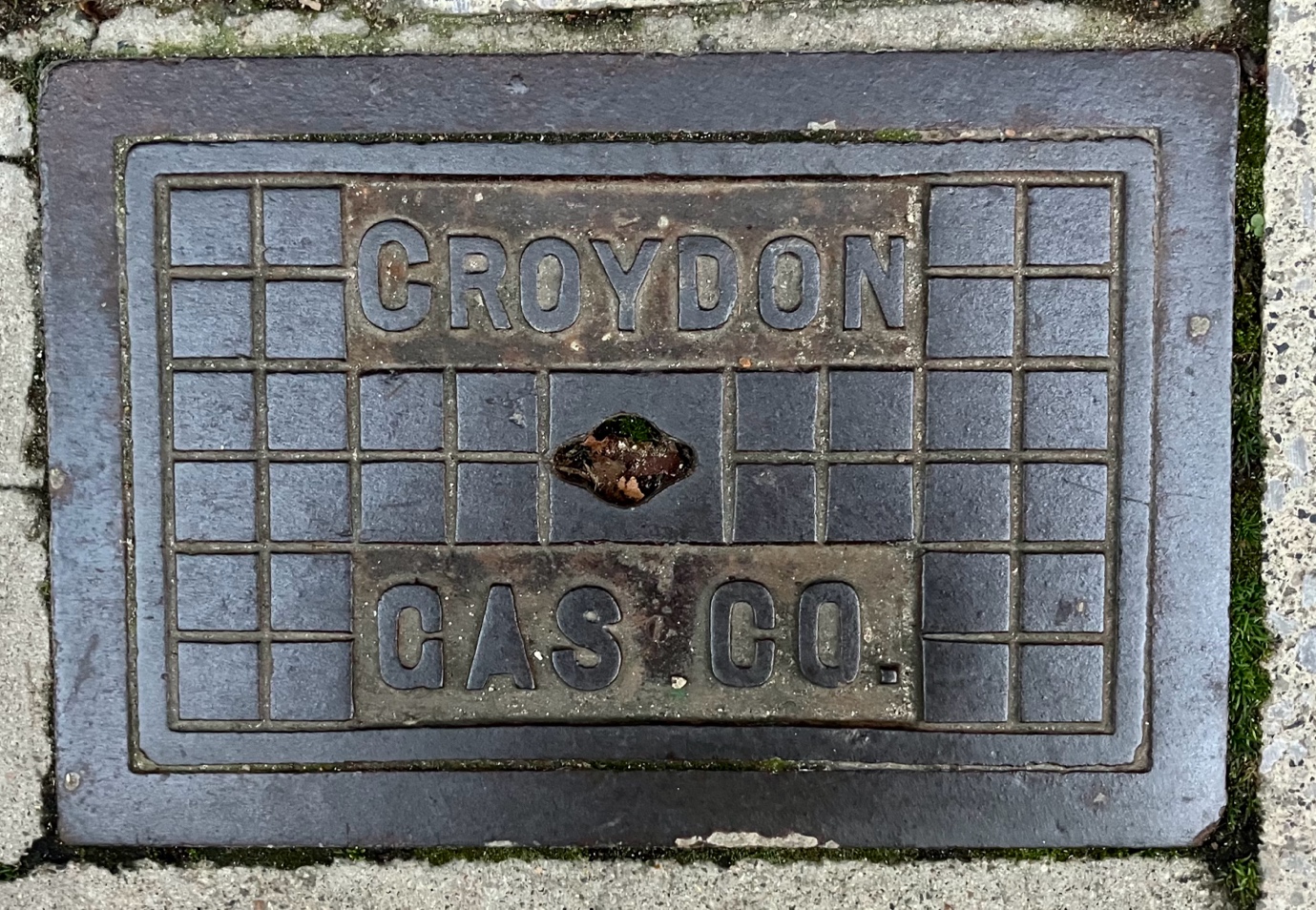
Before gas works were built in Croydon, the only street lighting was provided by the lamps fixed to the side of houses and shops by their owners. The lamps were powered by oil. Trimmers were employed to maintain the oil containers. They carried a ladder and tied a length of “tow” (made from hemp, flax or cotton) around their waists for use as wicks.
The first gas work in Croydon was set up by two gentlemen called Barnard and Defries in 1827 in Overton’s Yard, off Surrey Street. Soon after the works were completed, they were bought by Henry Overton for £1000. Gas was produced there by heating coal to a high temperature with little or no oxygen present, in a process known as destructive distillation. This gas replaced the oil in the lamps for those who contracted the service, delivered via wooden or metal pipes. Customers paid according to the length of time that the gas was used and gas lights were not allowed to be kept on after 10pm. Henry Overton himself toured the area every evening to ensure that they did not turn their gas lamps up extravagantly high or keep them on too late.
Perhaps it is not surprising that a group of gas customers held a meeting in 1846, forming the Croydon Commercial Gas & Coke Company (one of the by-products of the distillation process being coke). They bought Overton’s gas works the following year for £7000. Soon after, Halls of Cherry Orchard Road began to supply them with lime and coal.
An Act of Parliament in 1866 allowed the company to buy land and erect new gasworks at Waddon, which were completed in 1867. Two years later, the redundant gasworks on Overton’s Yard were sold by auction. The first head offices of the company were in George Street, with new offices opened in Katharine Street in 1879. In 1894 The company absorbed the Carshalton Gas Co, followed nine years later by the Caterham and District Gas Co. In 1904 an Act of Parliament authorised the company to change its name to the Croydon Gas Company.
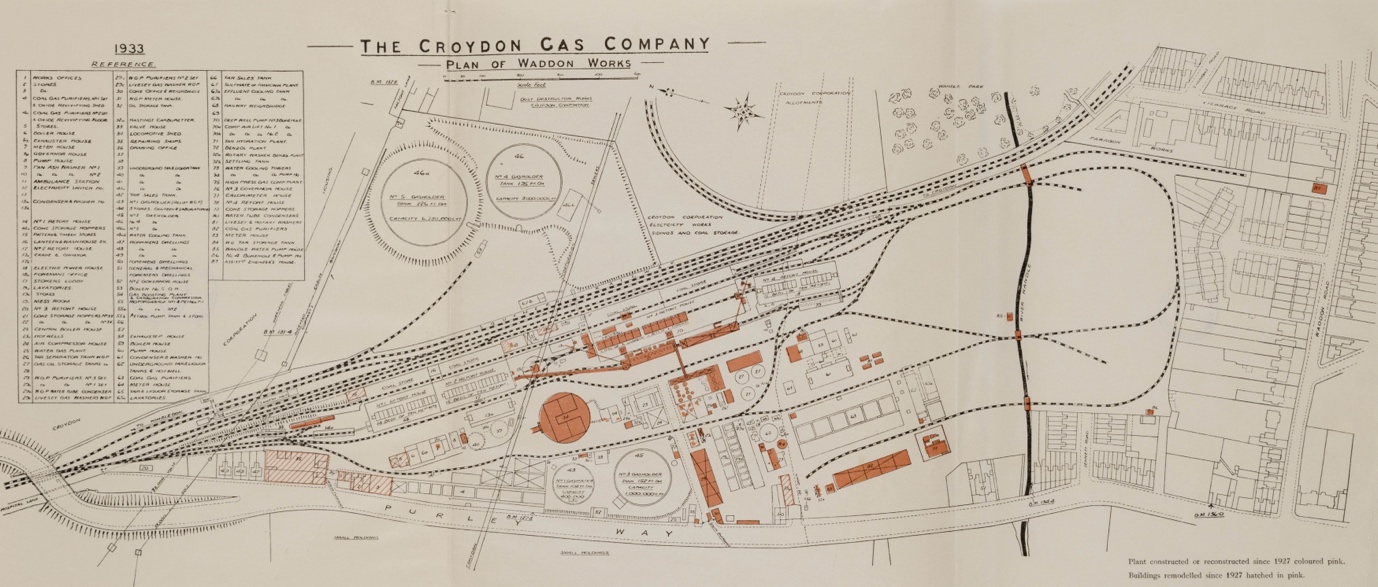
During World War One women began to work for the company. Even heavy duties such as coke loading were undertaken by them. Gas holder no 5 was erected in Waddon during that war. With a capacity of 6,780,000 cubic feet, it was one of the largest in the south of England. In 1940, it was bombed, with all the gas going up in one mighty flame.
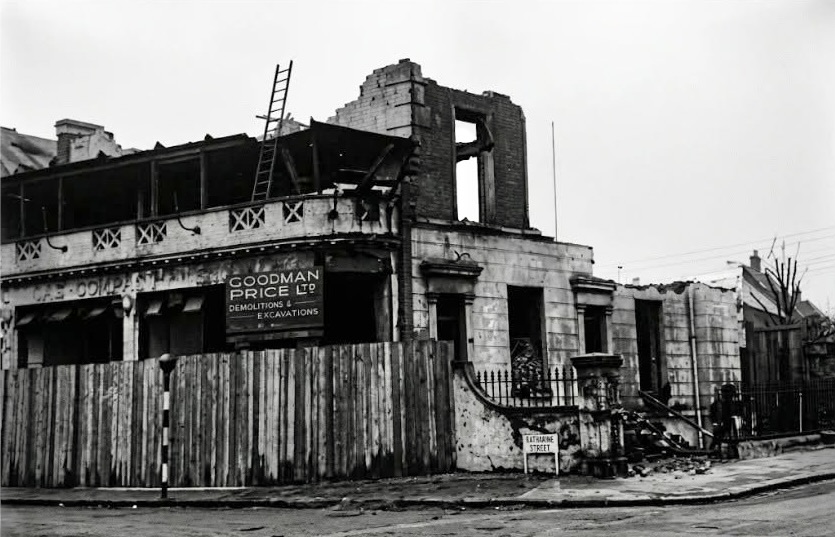
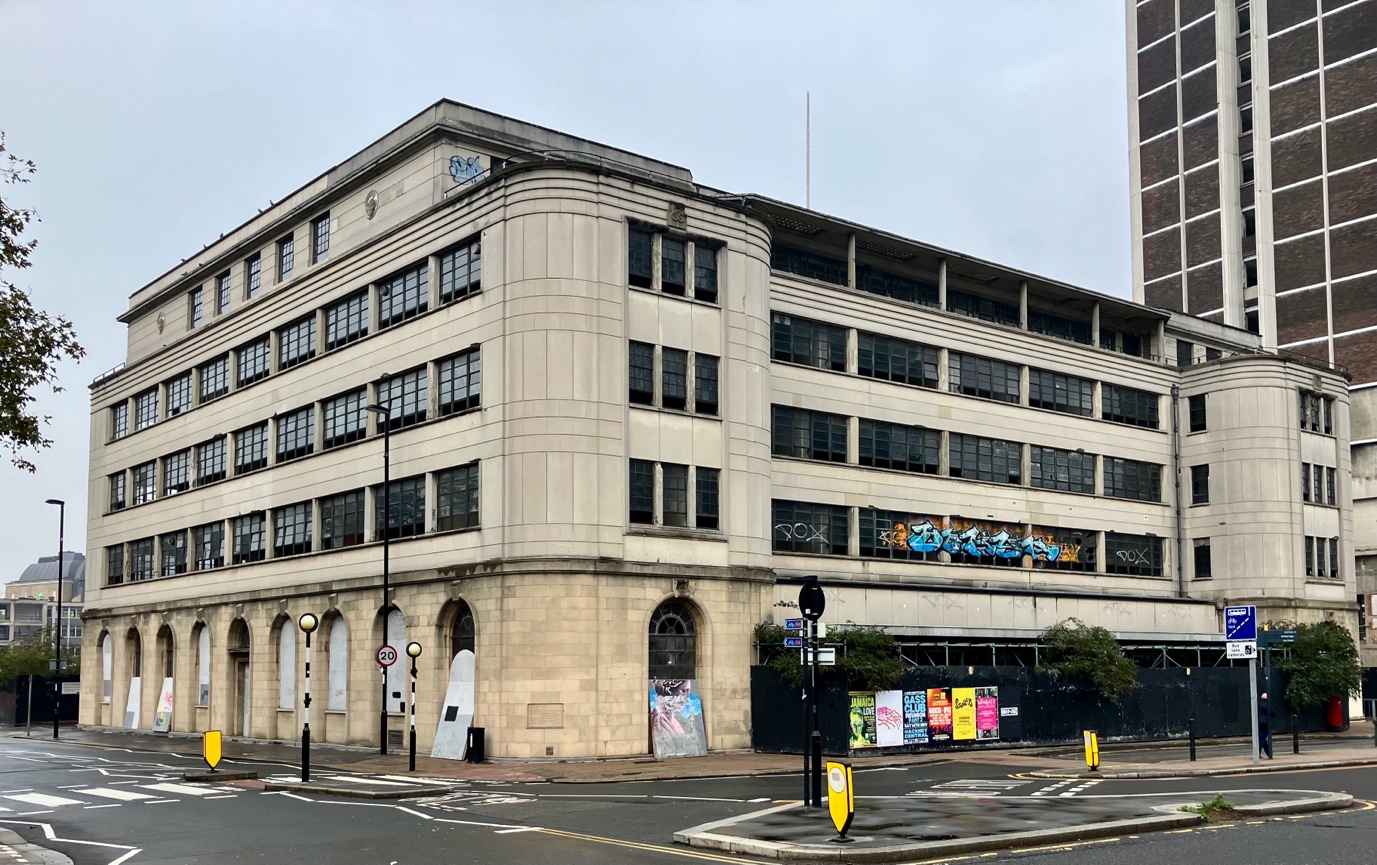
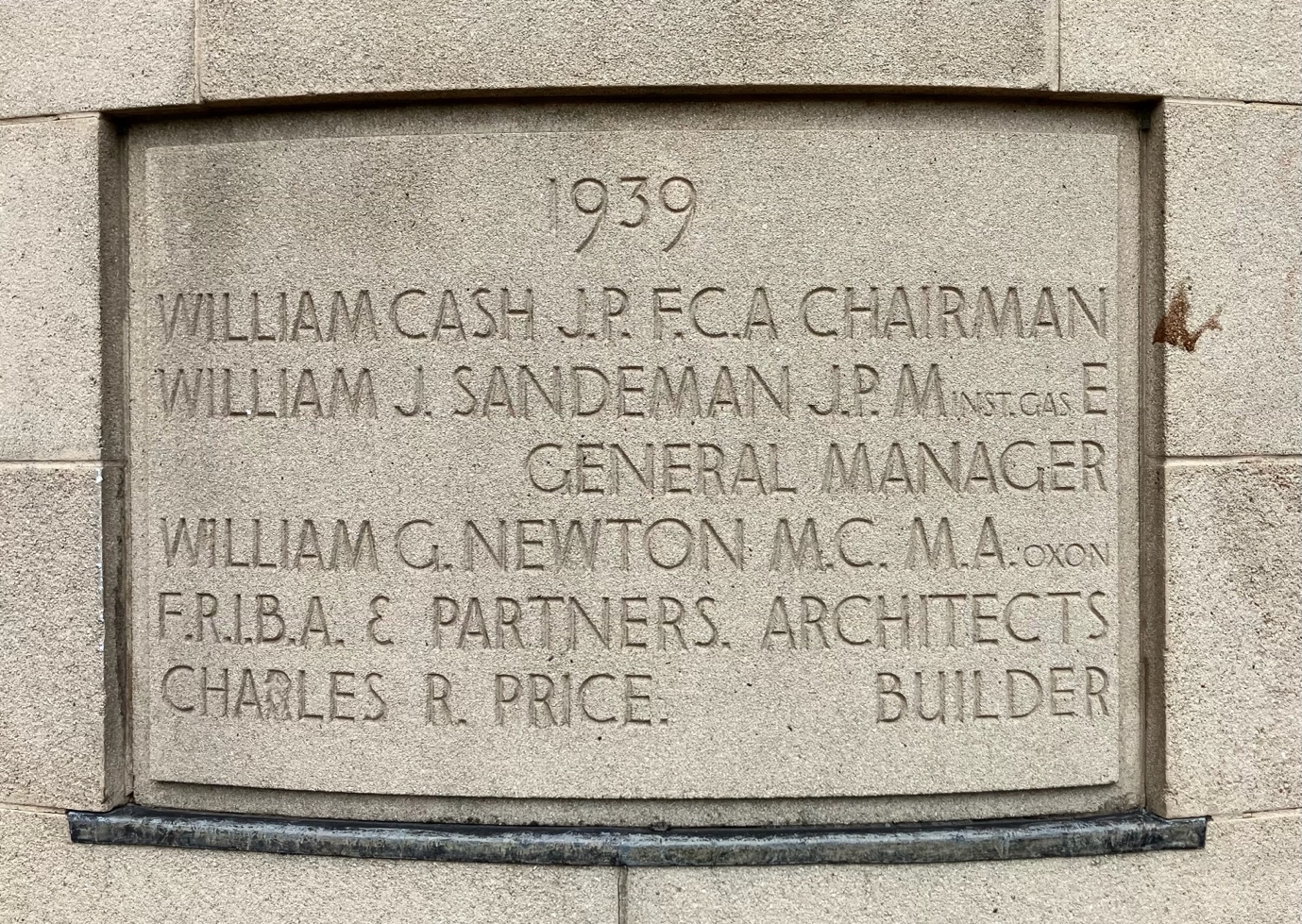
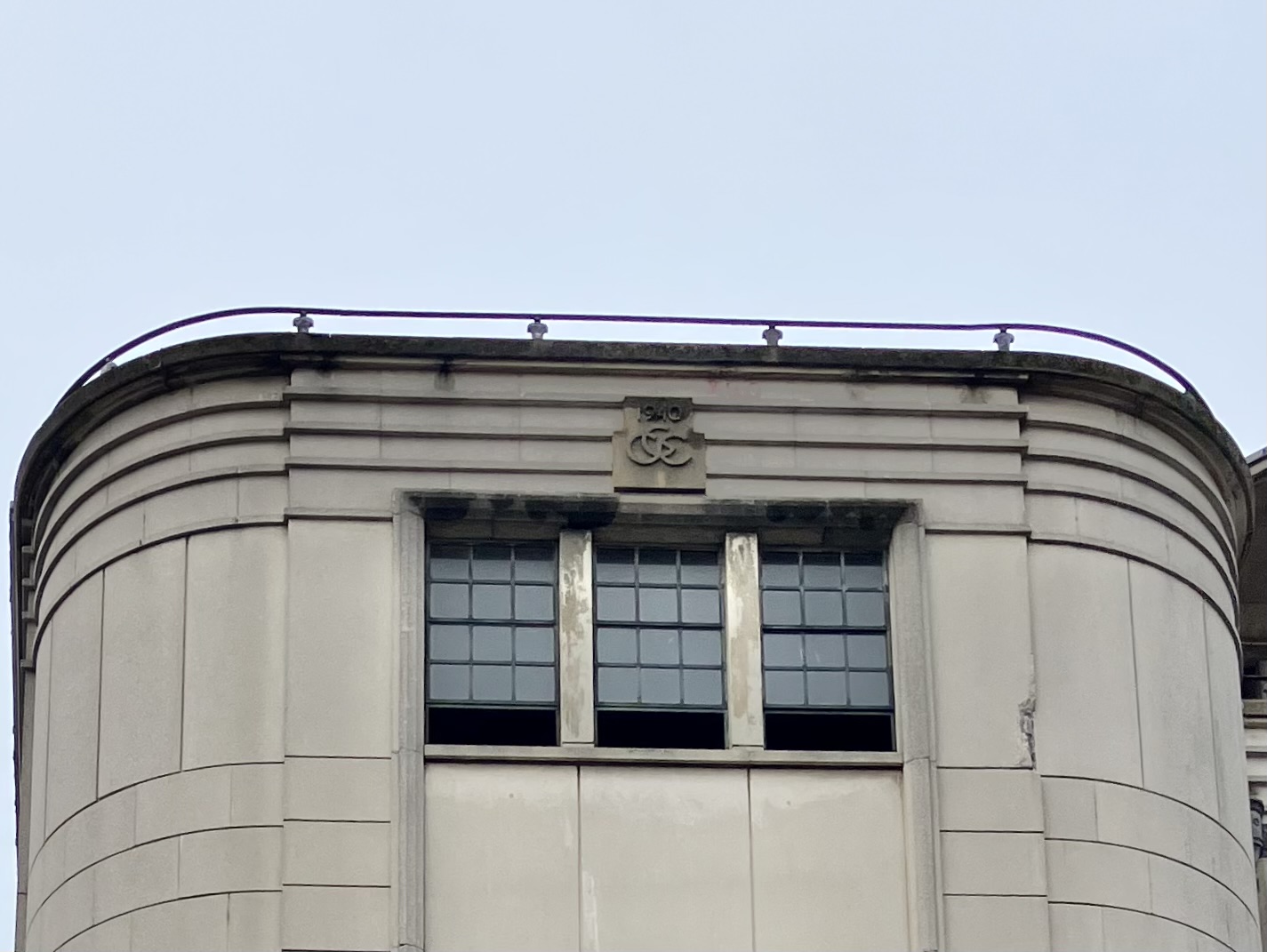
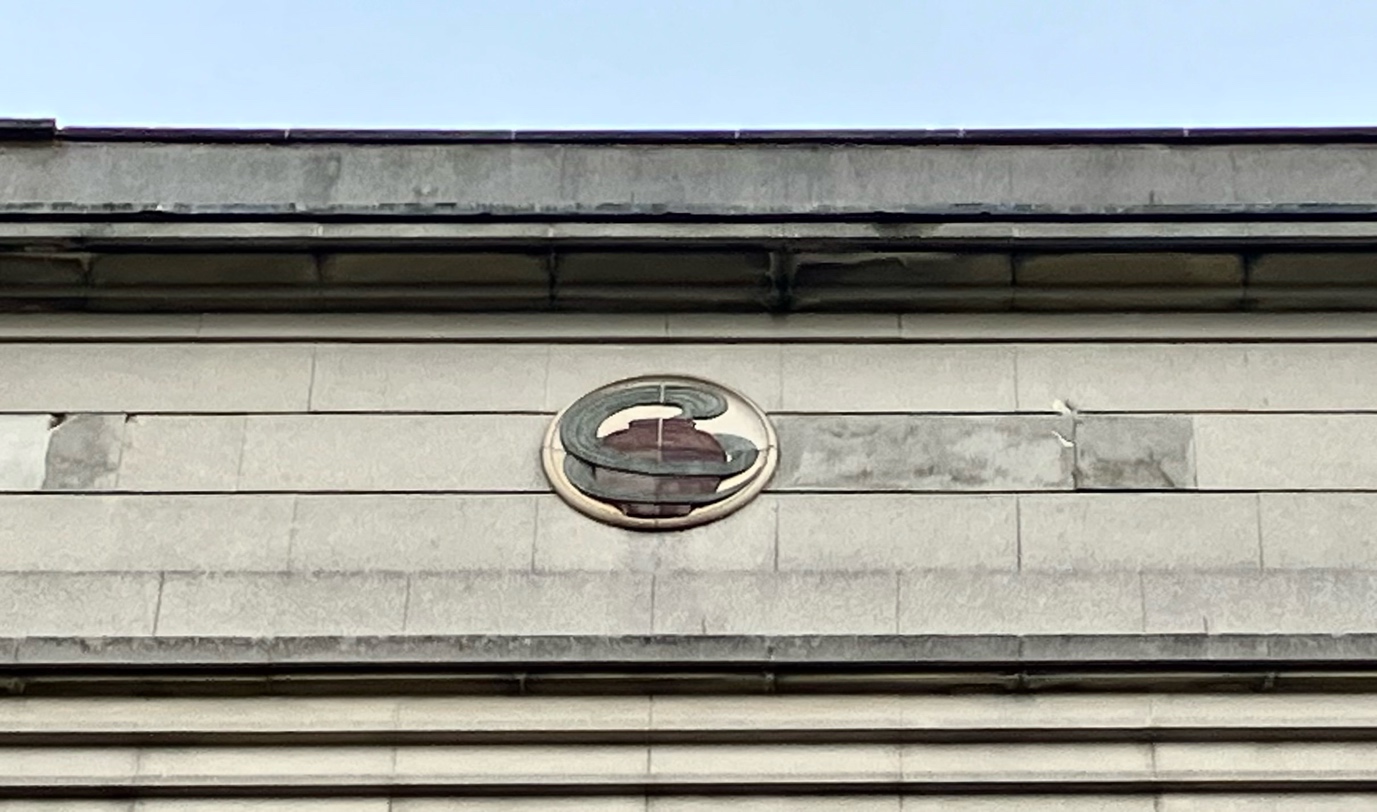
The offices on Katharine Street were demolished in 1939, with staff moved to temporary buildings in Blake’s Field, across Park Lane, while new premises were built. In 1941, the new headquarters were completed in the same location (now a listed building).
By 1947, the company supplied gas to an area of over 75 sq miles, via 471 miles of gas main pipes, supplying an estimated population of 330,000 people. By-products included benzol, sulphate of ammonia, crude tar & coke. There were 11 showrooms, including one at 284 Lower Addiscombe Road. The company were proud of their achievements, but concerned about the future. Two years later, they were nationalised, becoming part of the East Surrey Division of the South Eastern Gas Board.
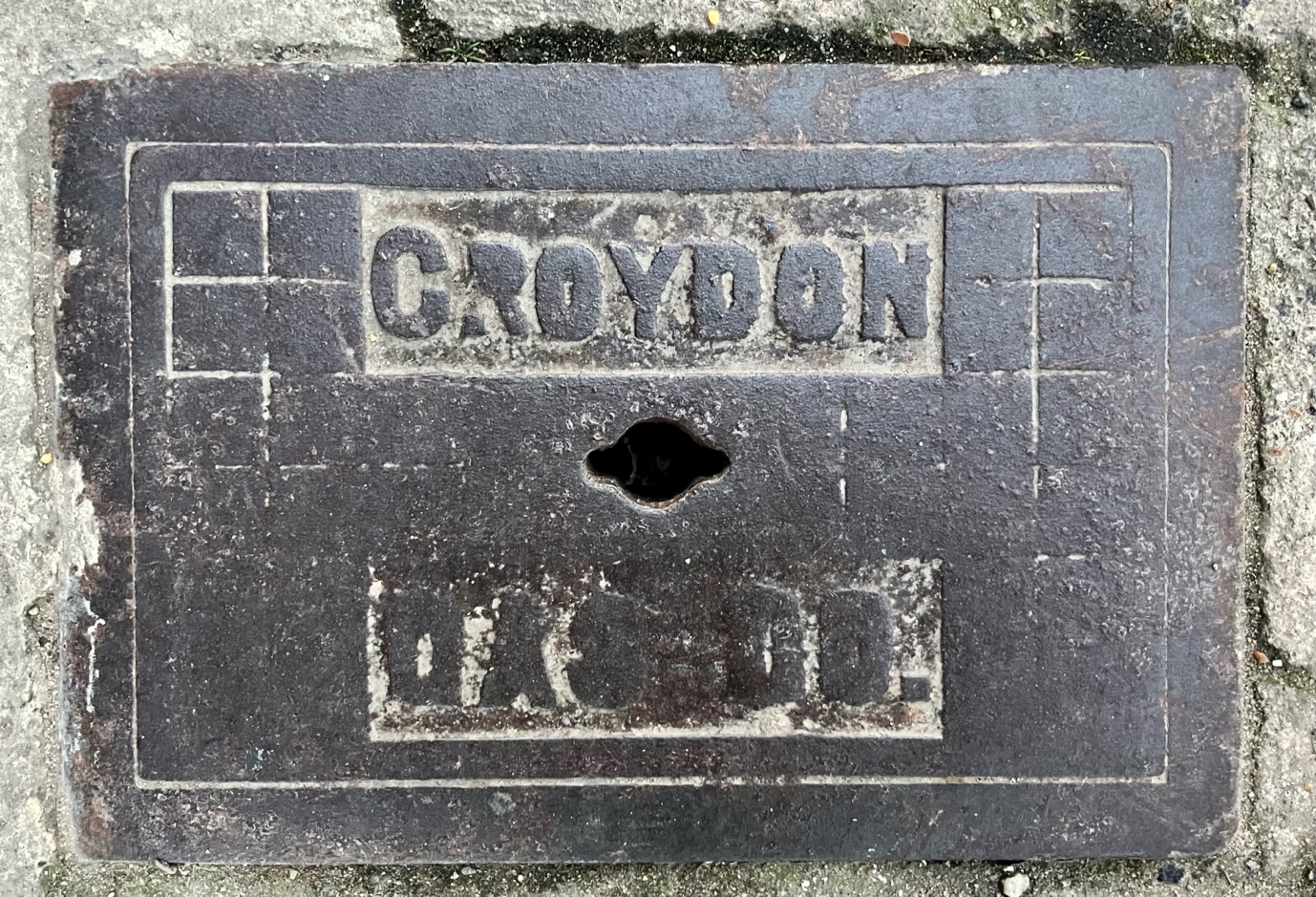
After the gas supply was nationalised, utility covers were still made of metal, but simply bore the work “gas” on them. Later they were made in plastic and eventually just the letter “G” was used to identify them.
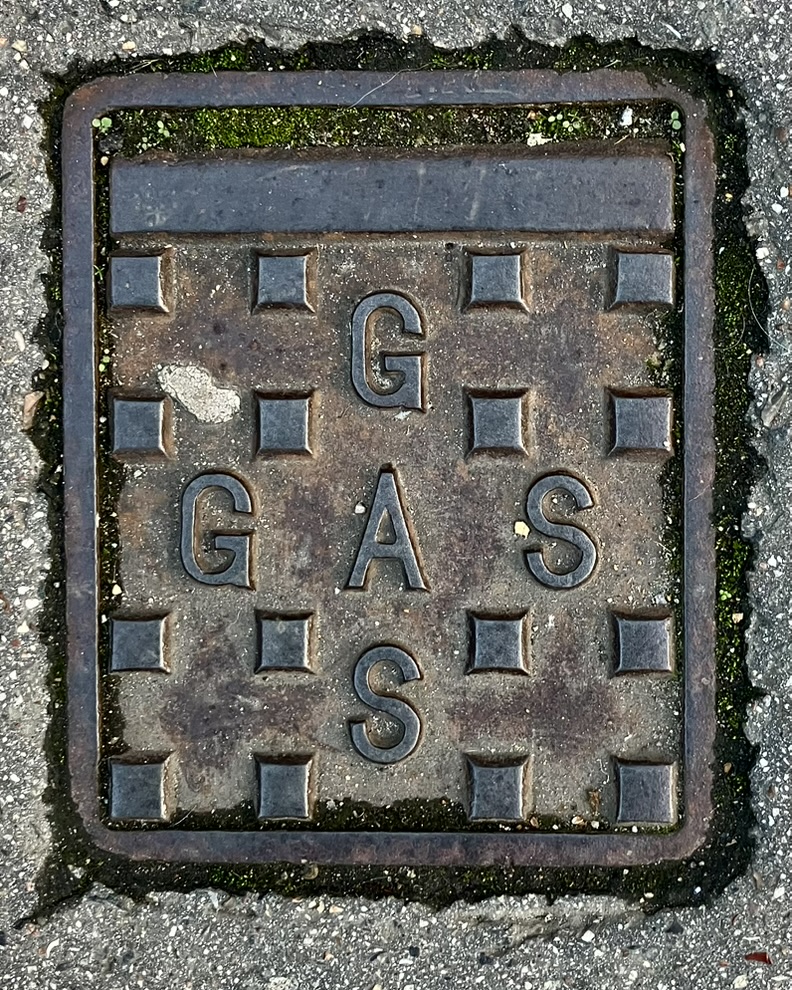
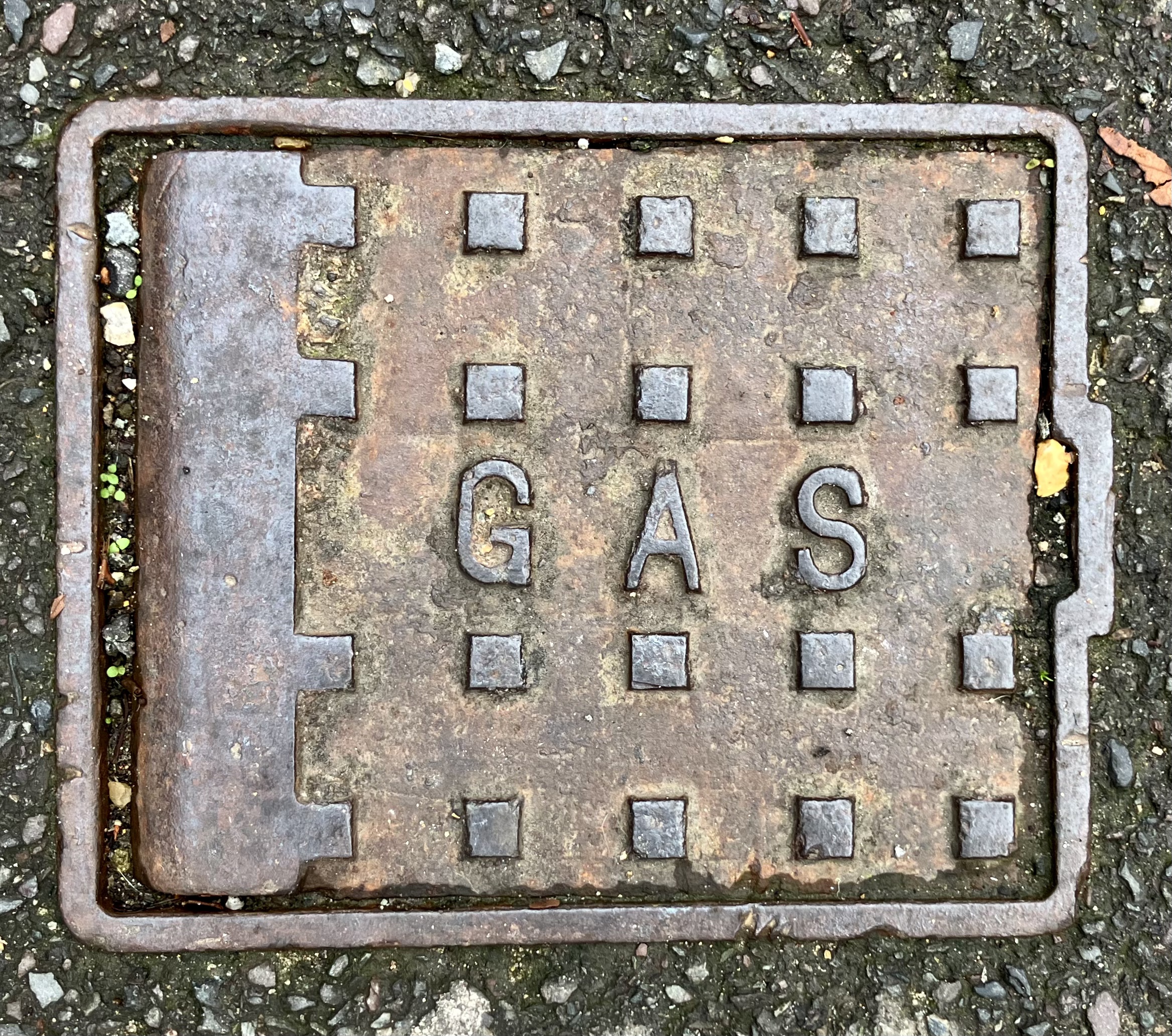
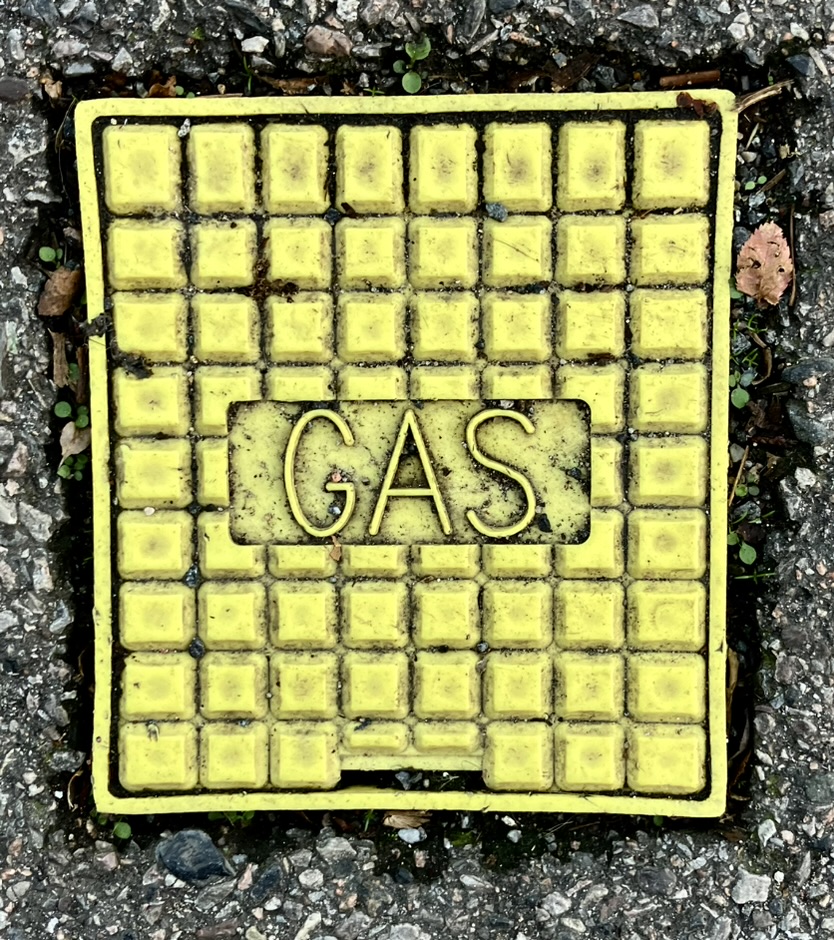
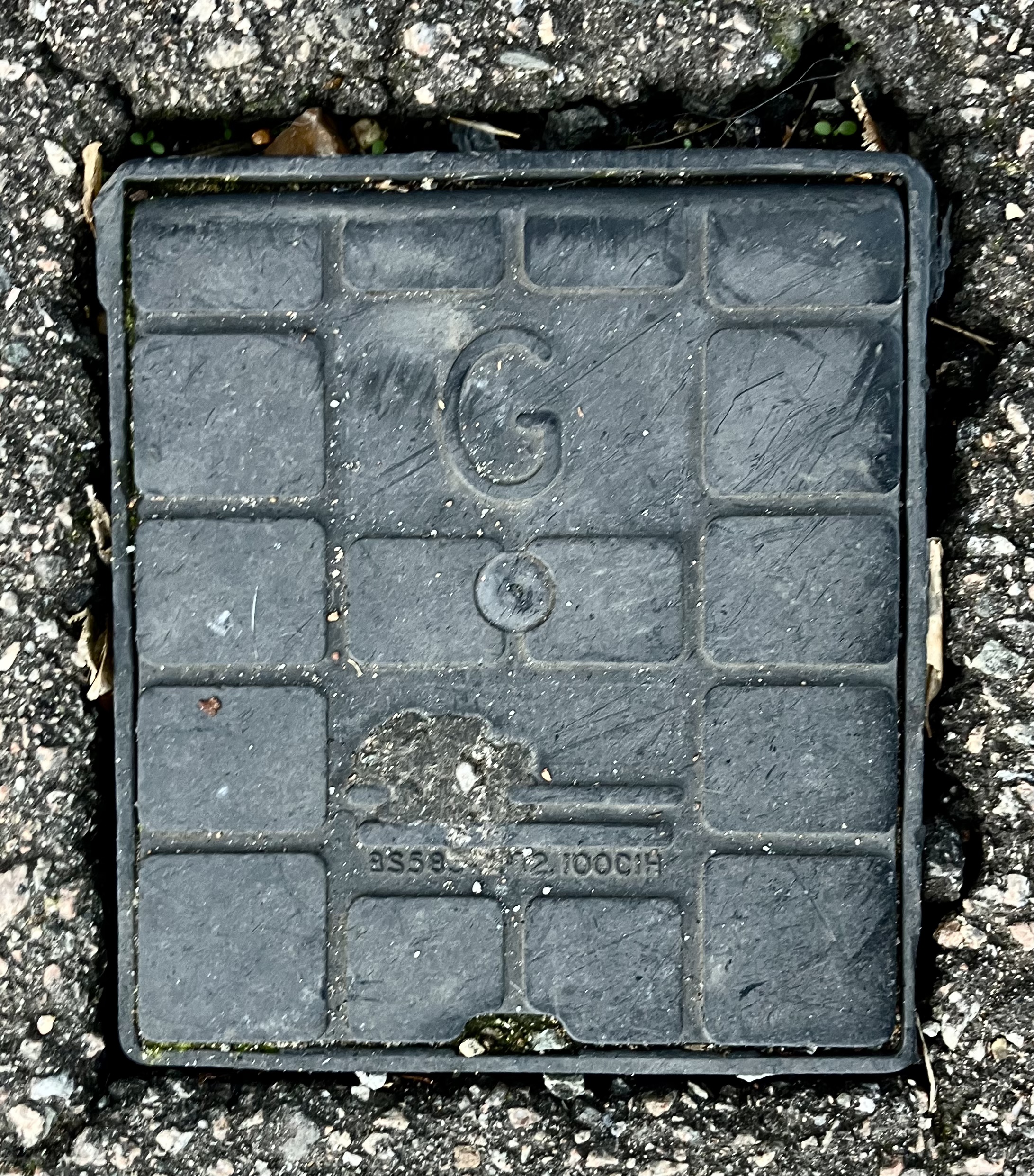
– a valve spindle: to operate a buried valve for isolation purposes
– a pressure point: to attach a gauge
– a rider point, usually a plugged-off 2” diameter pipe, used for pressure reductions (or purging during the conversion from coal gas to natural gas in the late 1960s/early 70s)
Many thanks to Bernie McSorley for providing this information.
Written by Angela Vanegas with reference to the following sources of information:
- Anon., 1933. The Croydon Gas Company. Croydon: The Croydon Gas Company. Croydon Archives qS70/633
- Anon., 1947. The Croydon Gas Company. A Hundred Years of Public Service 1847-1947. Croydon: The Croydon Gas Company. Croydon Archives p570 (665.7) CR0
- Anon., n.d. Croydon Commercial Gas and Coke Co. & Croydon Gas Companyhttps://www.gracesguide.co.uk/Croydon_Commercial_Gas_and_Coke_Co & https://www.gracesguide.co.uk/Croydon_Gas_Co (accessed 24 October 2027)
- Anon., n.d. Destructive distillation https://en.wikipedia.org/wiki/Destructive_distillation (accessed 24 October 2027)
- Anon., n.d. Gas holder https://en.wikipedia.org/wiki/Gas_holder (accessed 24 October 2027)
- Bush, J., Autumn 2025. Blake’s Meadow. CNHSS Bulletin: 11-14
- Dobson, C. G., 1951. A century and a quarter. Published for private circulation by Hall & Co. Victoria Wharf, Croydon
- Hickman, J.I., Autumn 2025. Forge Industries of Croydon. CNHSS Bulletin: 37-42

