
George Valentine Hall left his home in Horsham c1800 when he was 14 years old to work in the stone quarries at Merstham. These produced green sandstone that was known to be fire resistant and was also soft when first mined, so suitable for carving. This was overlain by a layer of grey chalk that was burnt to make lime mortar.
From 1831, George leased the quarries and used the Surrey Iron Railway to transport the stone and lime. This railway used horses to pull goods wagons to its dock on the Thames at Wandsworth, where the cargo was loaded onto barges for distribution. Some of the stone & mortar would have been sold along the way, as would the coal brought back on the return journey.
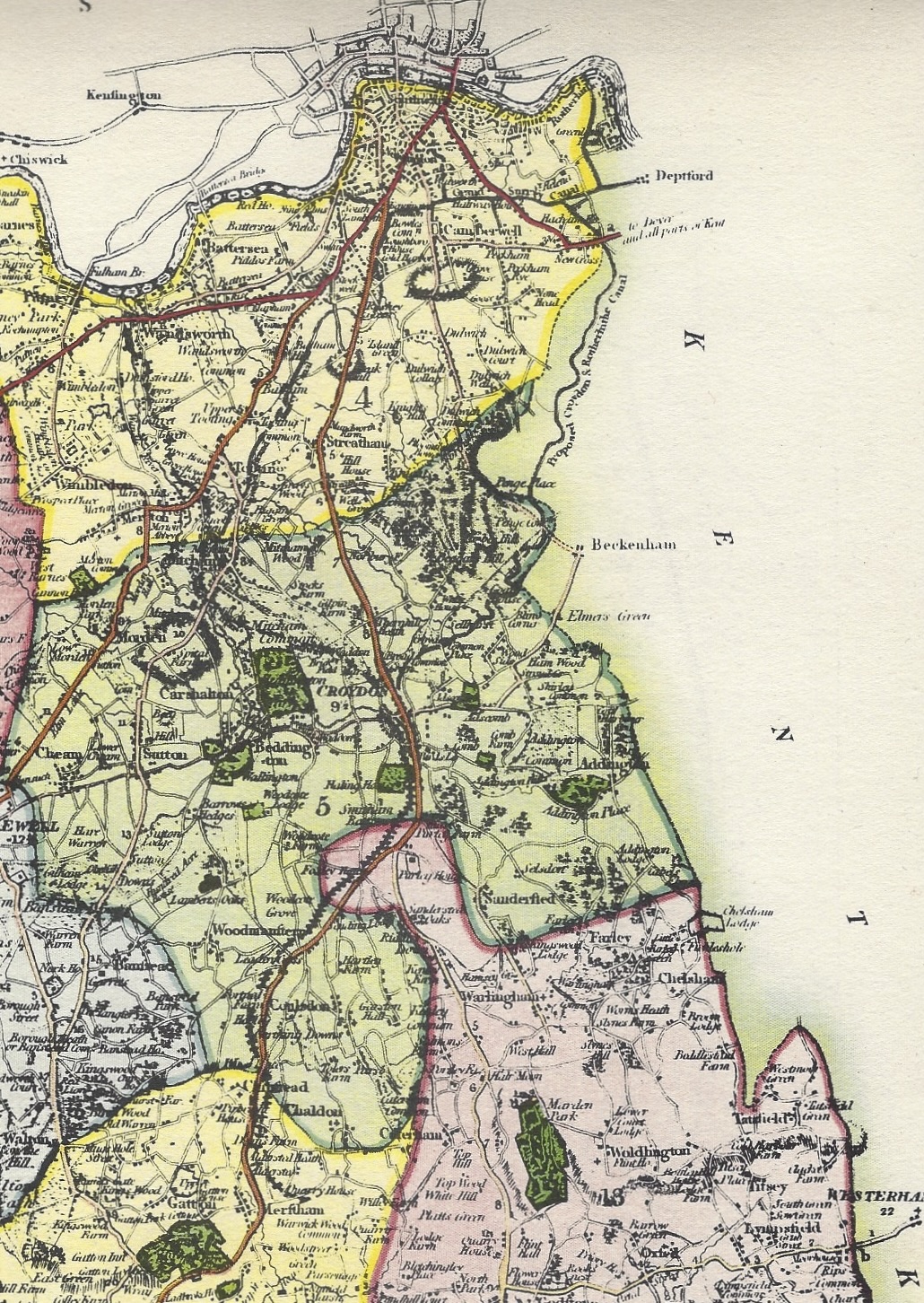
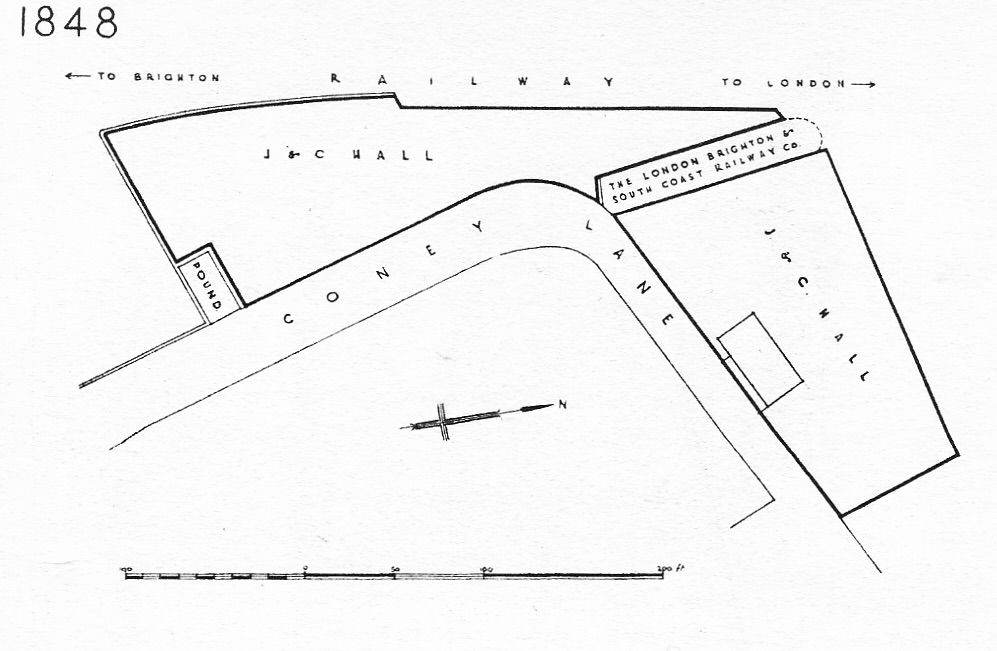
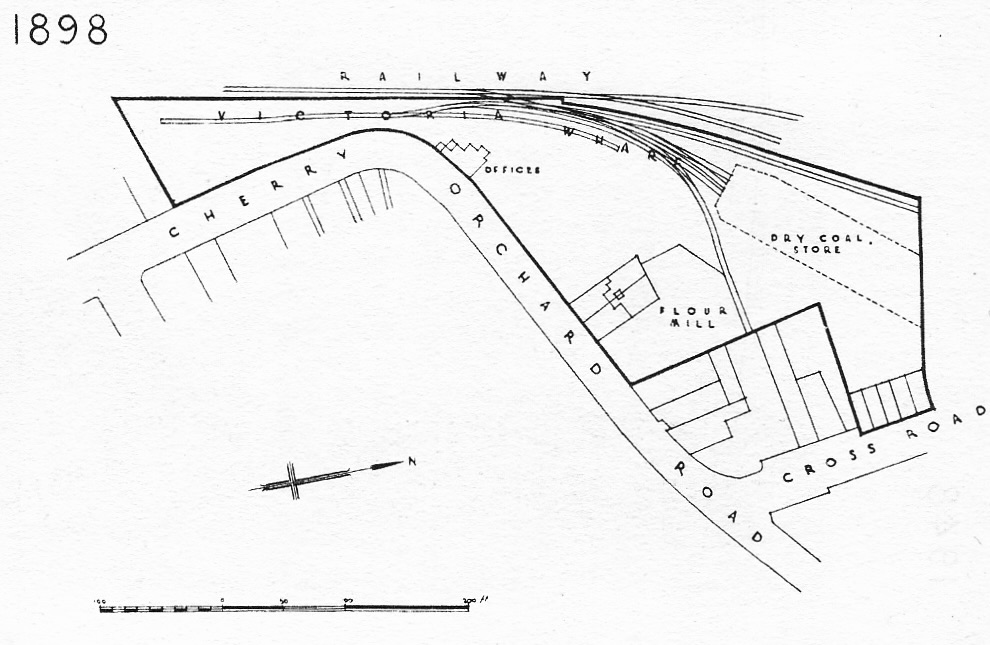
When the London & Croydon steam railway opened in 1839, Hall opened a depot in Croydon, expecting the town to grow and provide a ready market for his goods. Two years later the line ran all the way to Brighton, taking over part of the route of the former Surrey Iron Railway. Hall’s depot, Victoria Wharf, was just north of the bend on Coney Lane (now Cherry Orchard Road). There was already a gravel pit on the site, which Hall continued to dig. Later his company worked a pit on the other side of the road. Gravel was in great demand to surface roads at the time. Indeed, the company later cut through and gravelled Leslie Park Road in 1851.
In 1845, George Hall built himself a house of Merstham stone across the road from his depot. However, it is not clear whether he lived in it, as he died in December that year. George’s three sons (James, Joseph and Charles) formed a partnership, trading as J. J. and C. Hall. Three years later, the company had expanded the wharf south to the edge of the pound, formerly used to hold cattle straying from Croydon Common onto Coney Lane.
The younger sons both eventually retired from the business, leaving James in charge. James married Eliza Budgen in 1857 and their first child was born in the family home at Quarrydale, Merstham the following year. The company flourished, with another chalk quarry & lime works opened in Coulsdon in 1862 and another depot in Redhill in 1868.
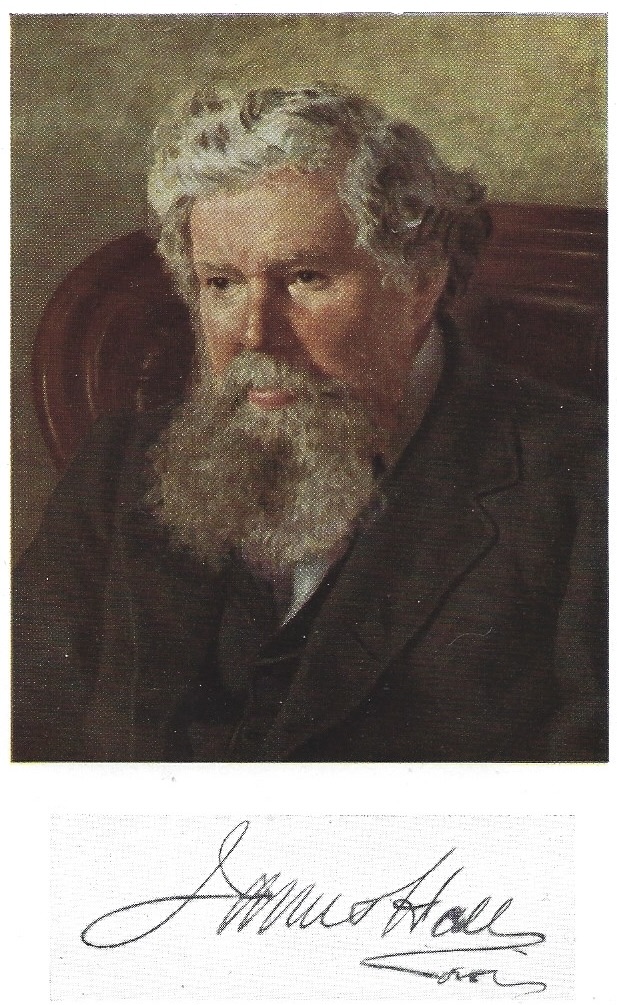
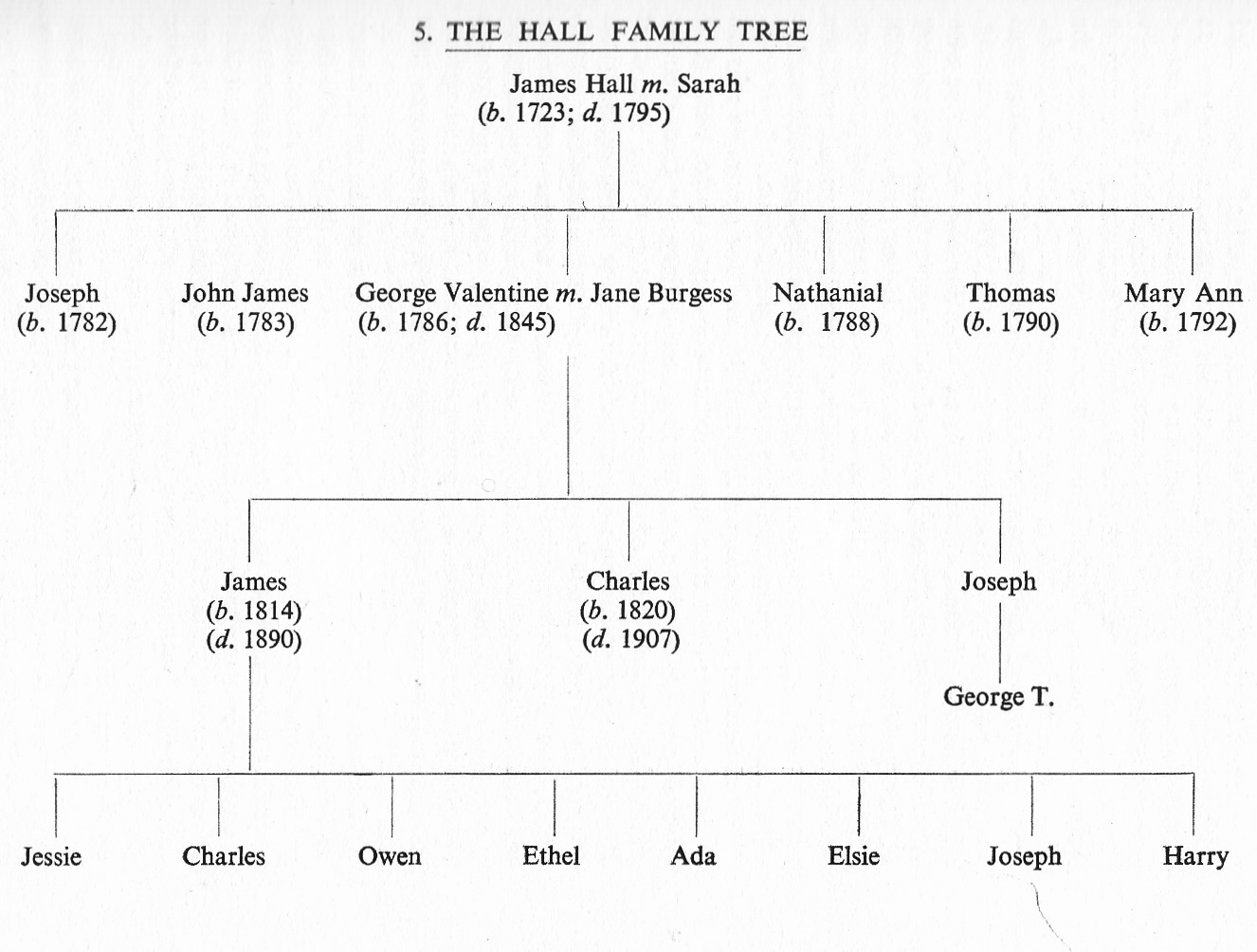
James Hall handed over the business to his eldest son, Charles, but he died prematurely in 1887. By then Joe & Harry had joined the firm and they took over the business after their father died in 1890. Between 1891 & 1898, new depots were opened at Mitcham & East Dulwich. In the latter year, the company was incorporated as Hall & Co Croydon Ltd, with Harry as Chairman. This increased the capital and enabled the business to expand.
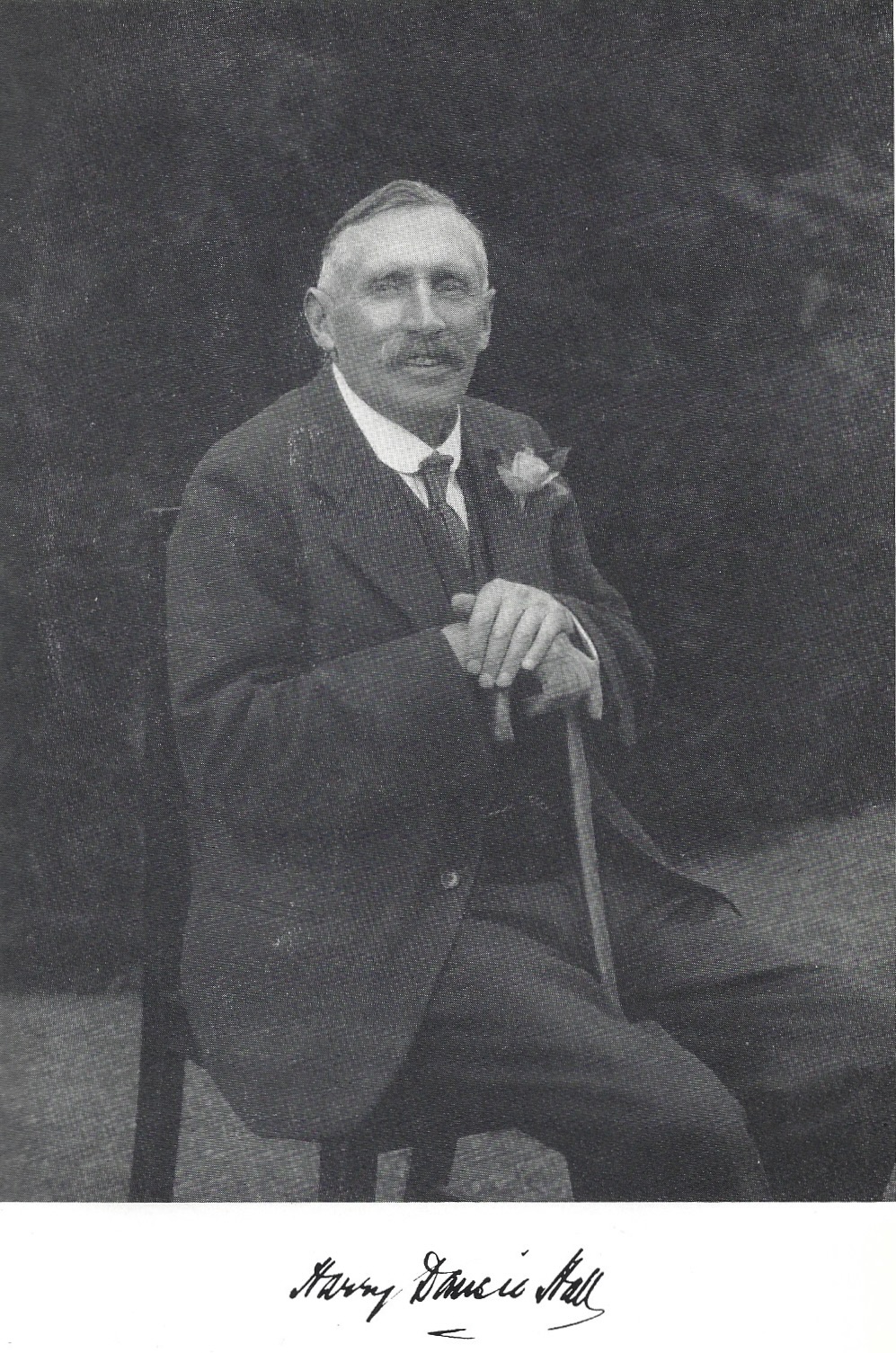
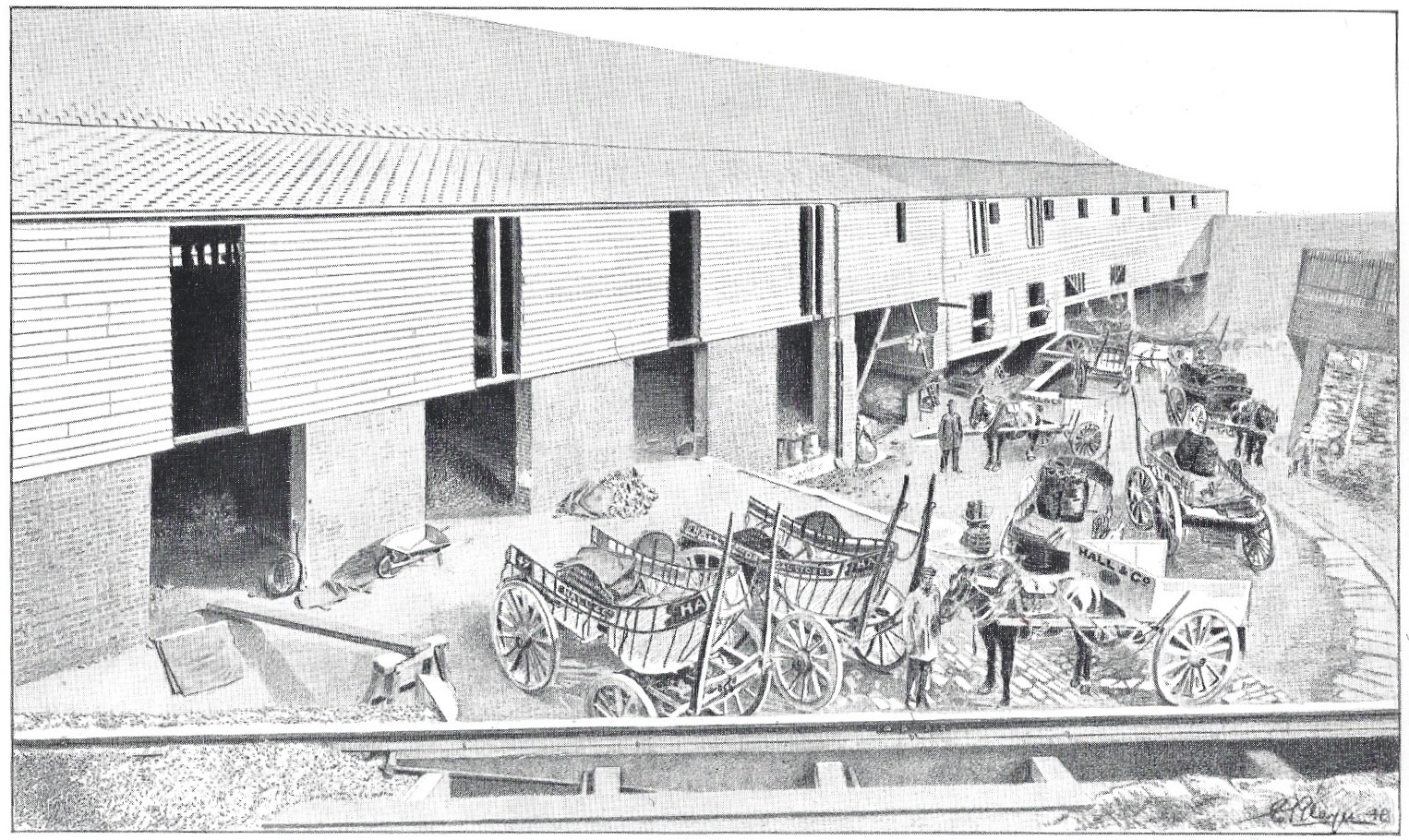
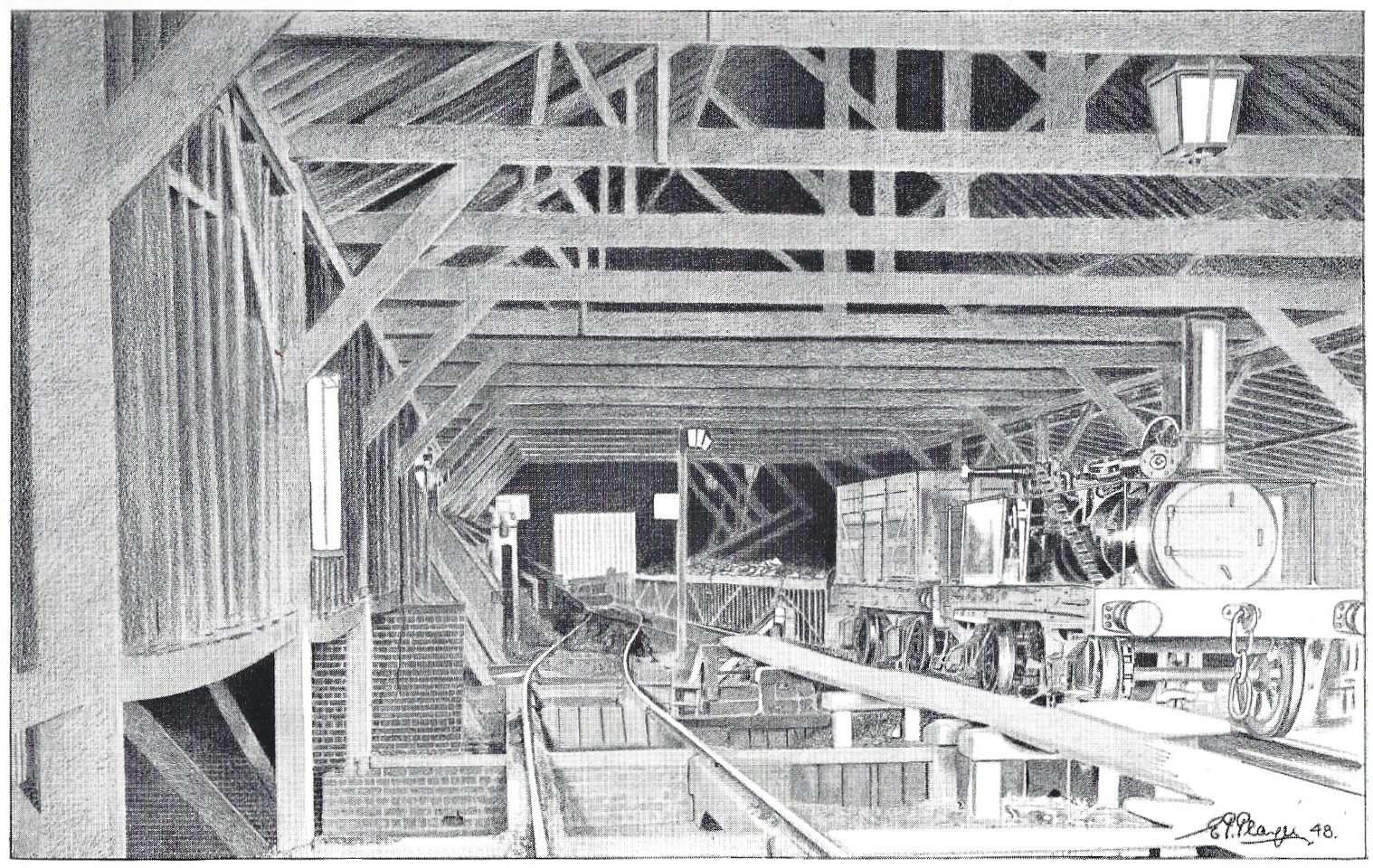
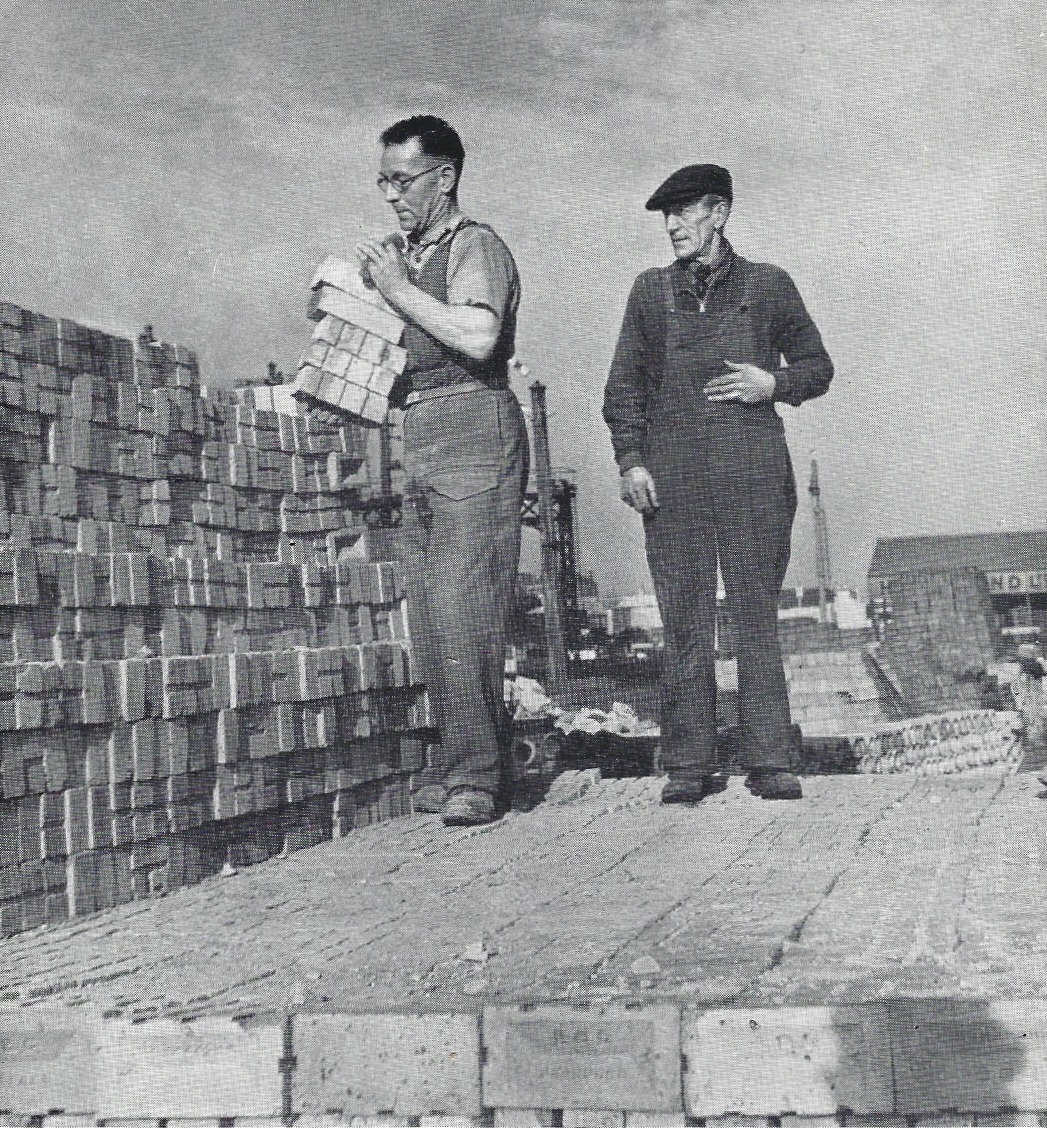
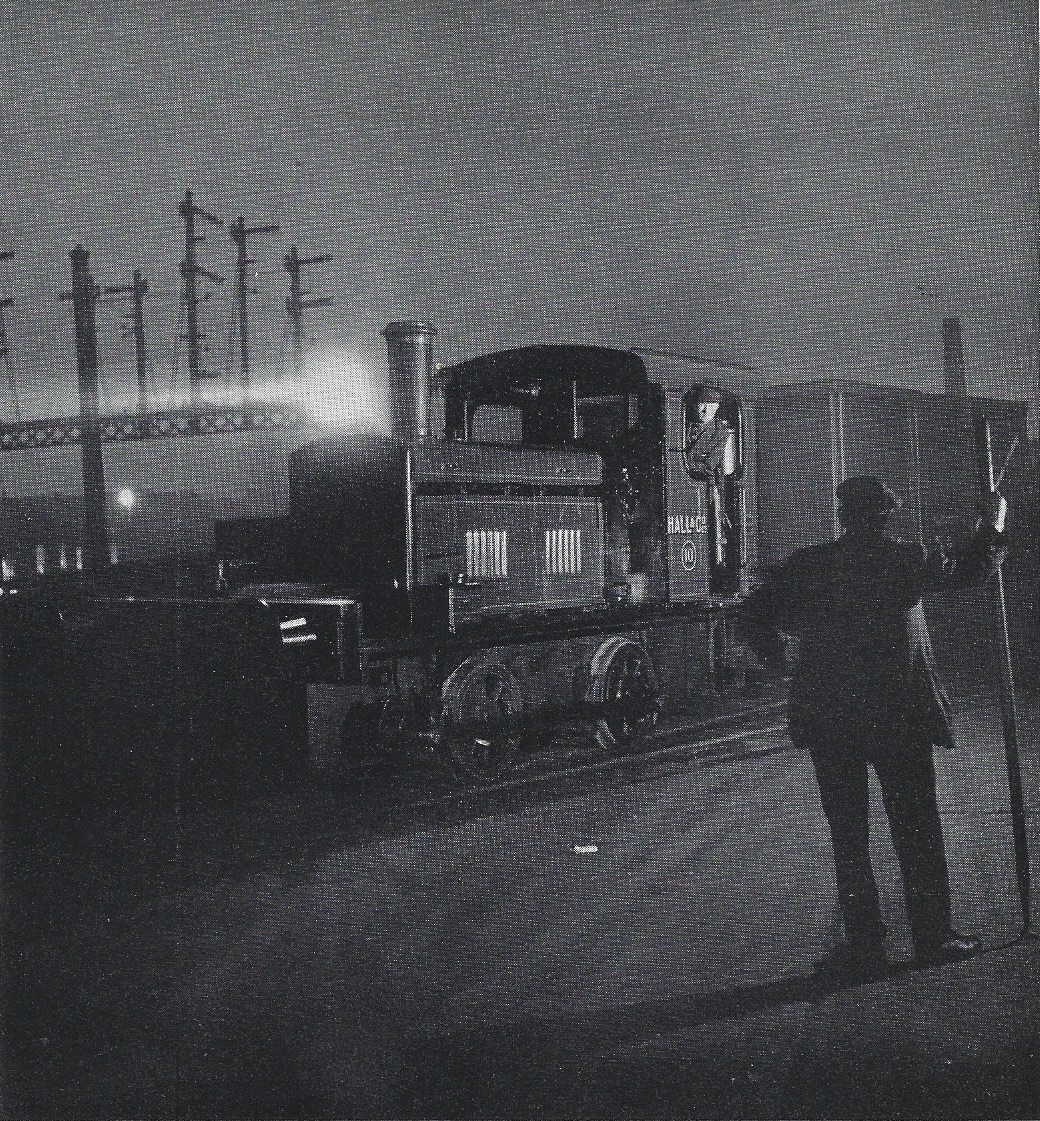
The company grew rapidly, opening new depots, gravel and sand pits. Its main business was in coal, coke, lime, bricks, cement, slate and roofing tiles. The limiting factor was the distance that could be travelled by a horse and van from each railway terminus. In 1903 the company began to buy motor vehicles driven by steam. Motor vehicles moved faster than a horse and cart and generated clouds of dust on gravelled roads. Road began to be tarred in Croydon as early as 1904, when Croydon Rural District Council tried to mitigate the nuisance by spraying crude tar on a particularly bad stretch of road between Purley & Coulsdon, then covering it with sand and grit.
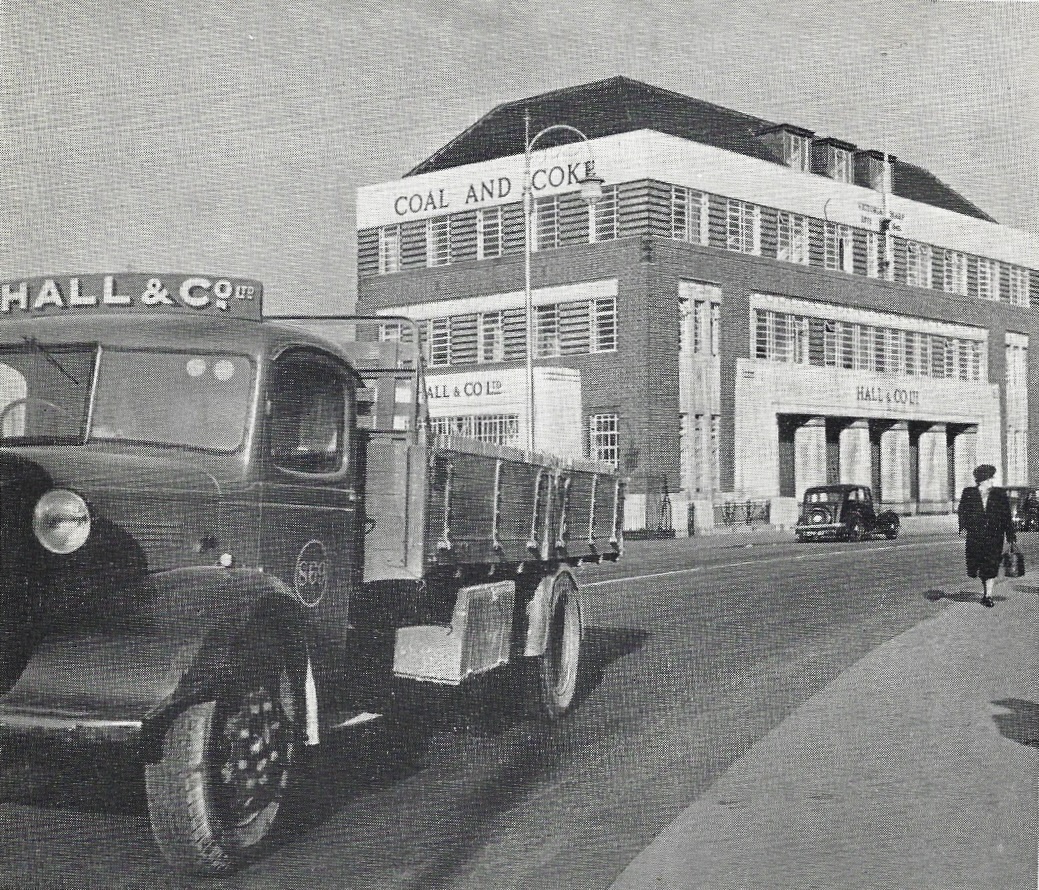
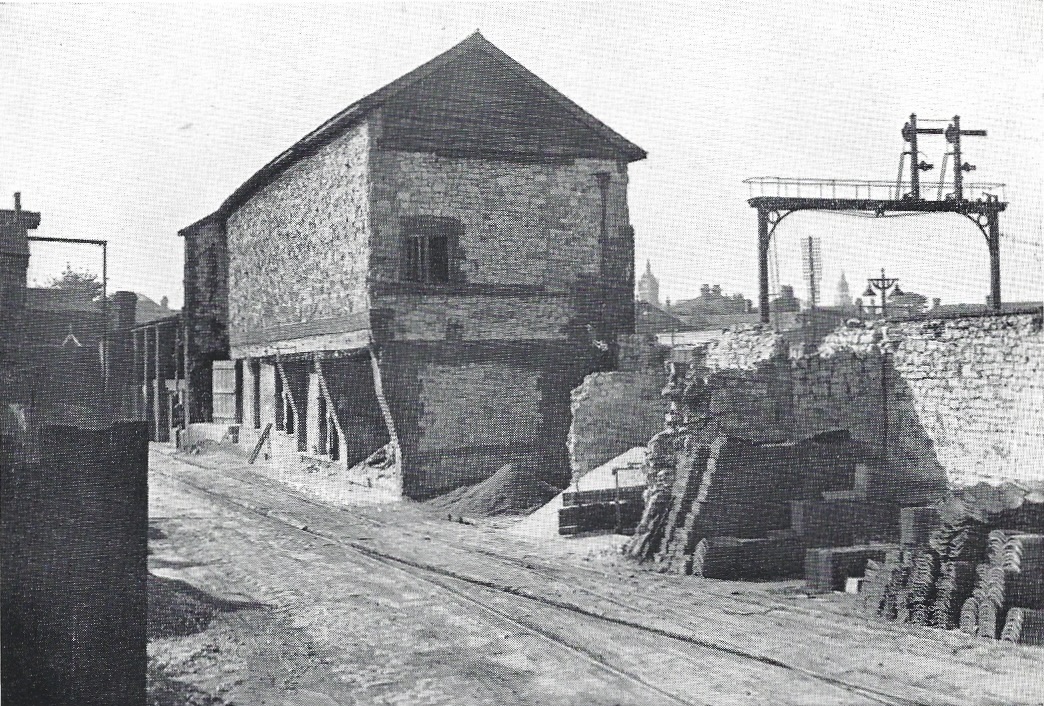
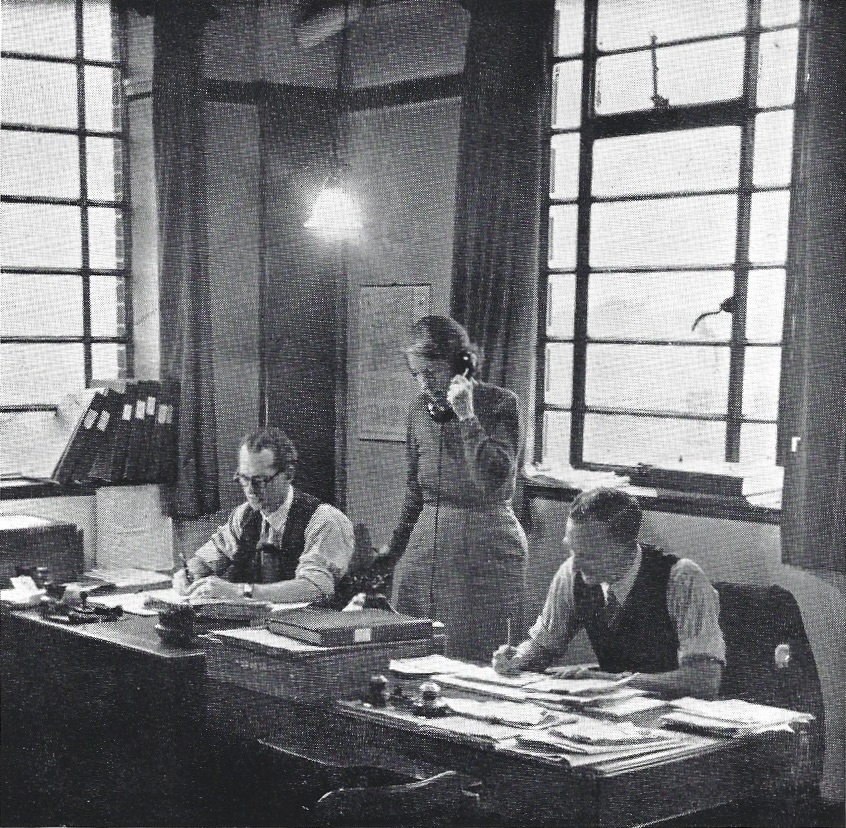
In World War One the sale of building materials dropped dramatically, although the trade in coal continued as before. In 1915, the firm began to employ women in the office for the first time, as many men had been called up for the war. It was not until 1924 that housebuilding and the construction of roads fit for cars took off. The increase in sales and widening of Cherry Orchard Road in 1927 led to the building of a new head office at Croydon. The dry coal store was also demolished when coal started to be carried in standard side-door wagons and there was no advantage to having such a deep building.
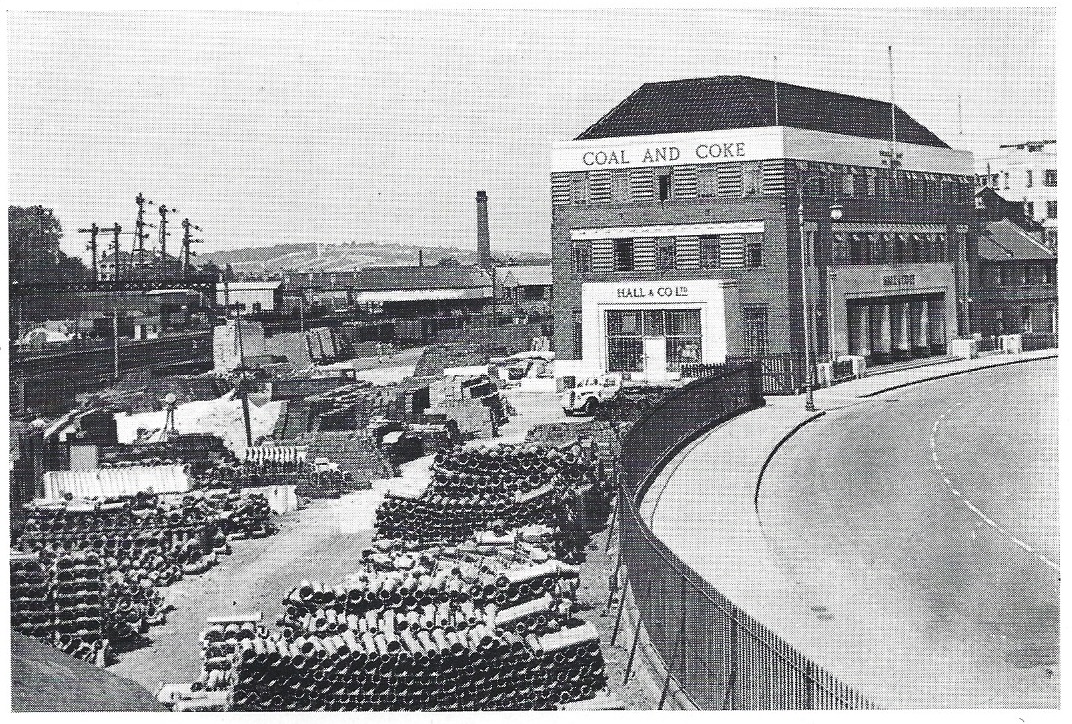
Hall & Co played an active part in World War Two, including assisting in
- building defence lines across Surrey & Sussex in the summer of 1940 when invasion seemed imminent
- constructing numerous aerodromes and a giant pre-fabricated harbour that helped make the invasion of Normandy successful
- repairing bomb damage buildings
In 1946 the head office moved to Chantry House, Ecclestone St, London SW1. However, the premises in Croydon continued to expand. These had extended further south to include 33 Cherry Orchard Road (opposite the centre of the Oval Road entrance) by 1948.

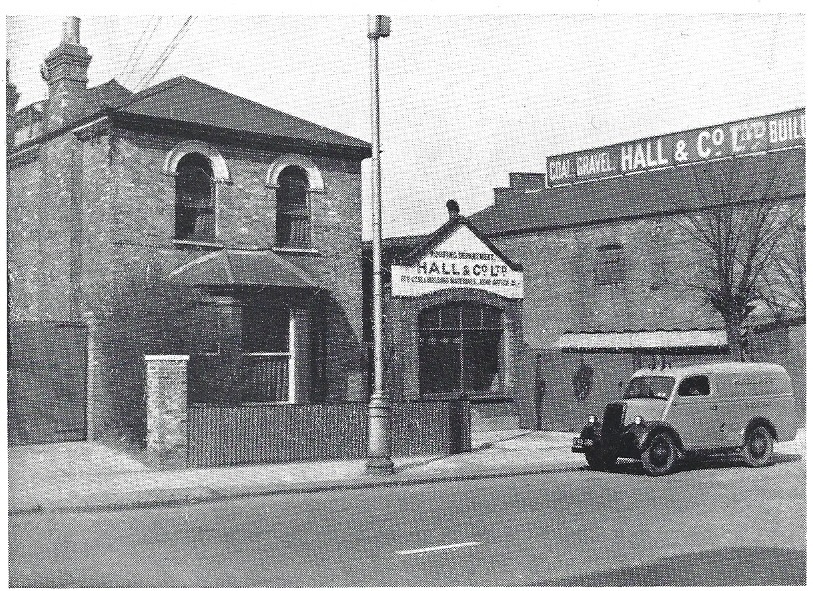
In subsequent years, Hall & Co has taken part in a series of mergers & takeovers. In 1963, as part of The Hall and Ham River Company, these included the acquisition of Woodside Brickworks. By 1976, Hall & Co no longer appeared in the Croydon telephone directory as having premises on Cherry Orchard Road. However, as late as 1998, it was reported to operate from 92 branches in the UK and have had a turnover of £180m in the previous year.
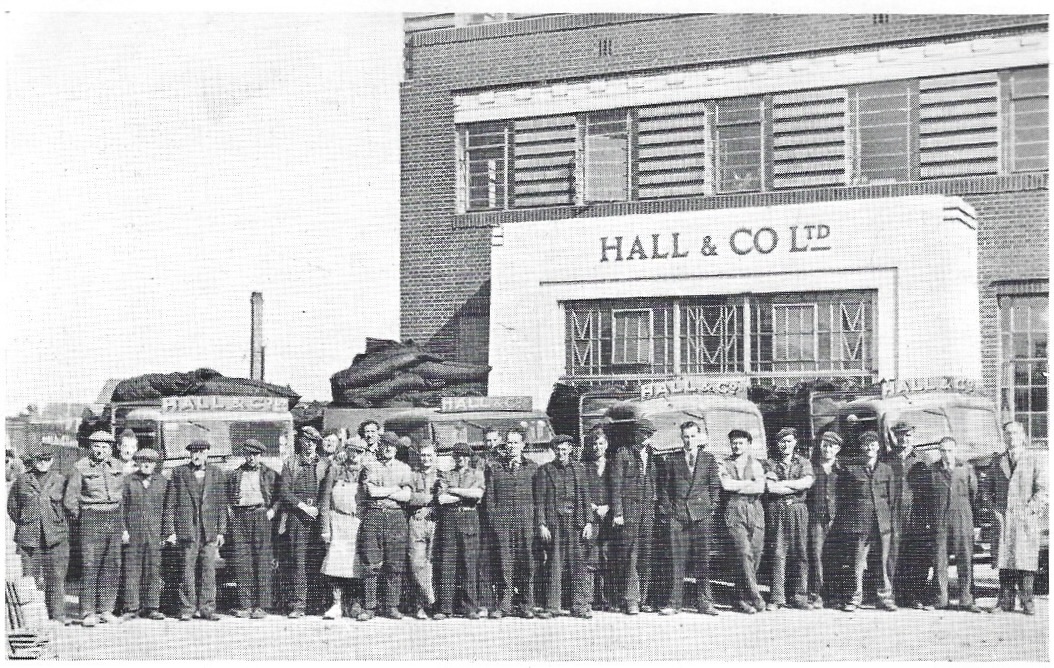
Hall & Co workers in Croydon c1951



Written by Angela Vanegas using the following sources of information:
Dobson, C. G., 1951. A century and a quarter. Published for private circulation by Hall & Co. Victoria Wharf, Croydon
Grace’s Guide to British Industrial history – accessed 18 August 2025 https://www.gracesguide.co.uk/Hall_and_Co_(3)#cite_ref-3
Grace’s Guide to British Industrial history – accessed 18 August 2025 https://www.gracesguide.co.uk/Hall_and_Ham_River
Hobbs, D., 1975. Addiscombe Town Trail. Typescript, CNHSS Collection.
Oppitz, L., 1988. Surrey Railways Remembered. Countryside Books p9-13
Builders’ merchant sold for pounds 121m, The Independent, Wednesday 26 August 1998 accessed 18 August 2025 https://www.independent.co.uk/news/business/builders-merchant-sold-for-pounds-121m-1174162.html
 East Croydon Community Organisation