
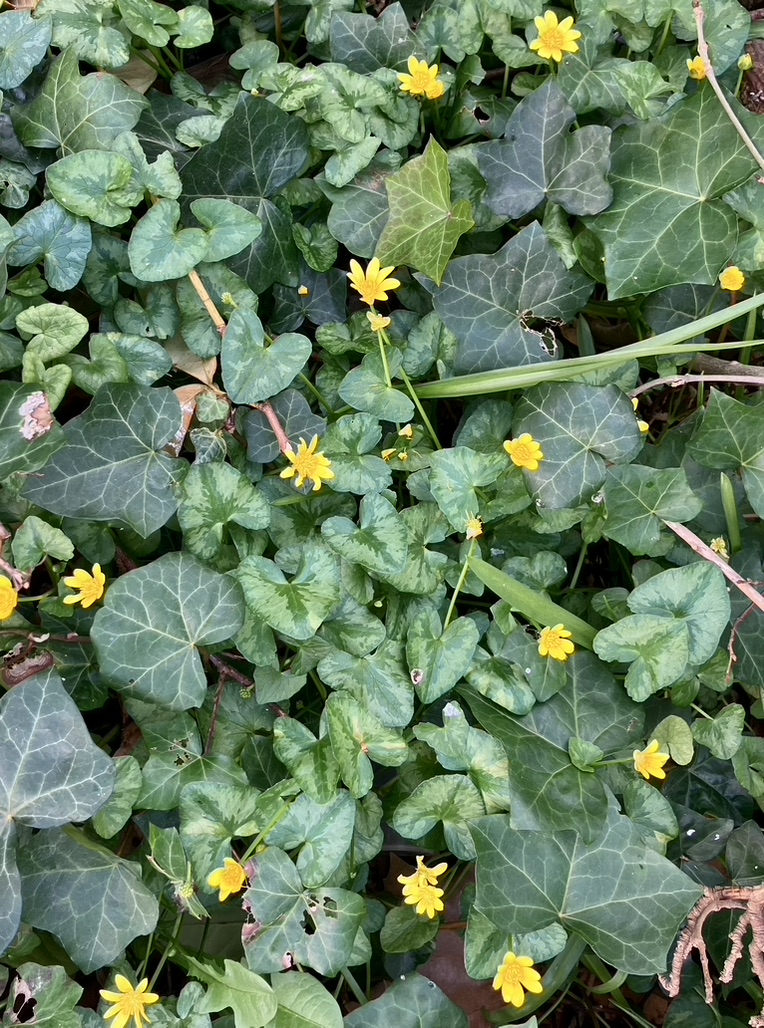
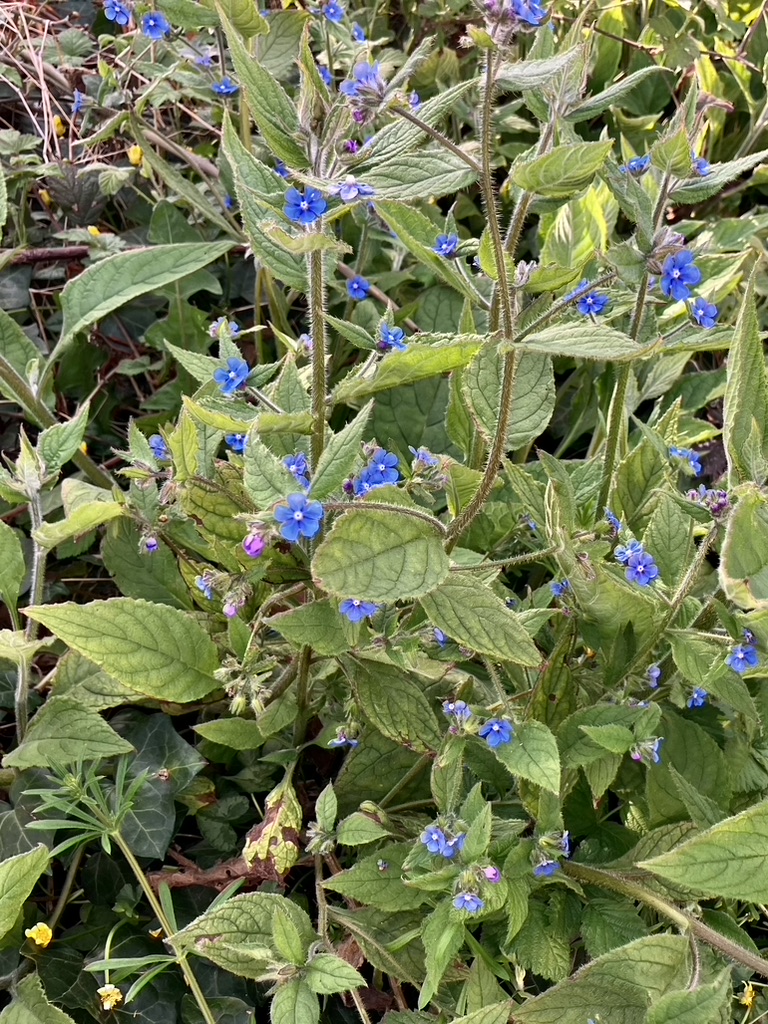
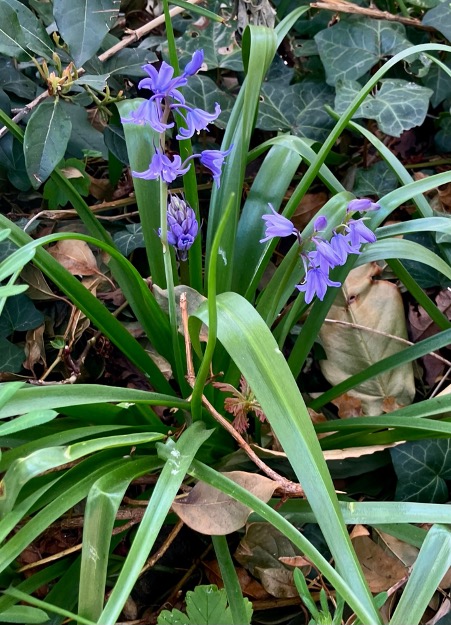
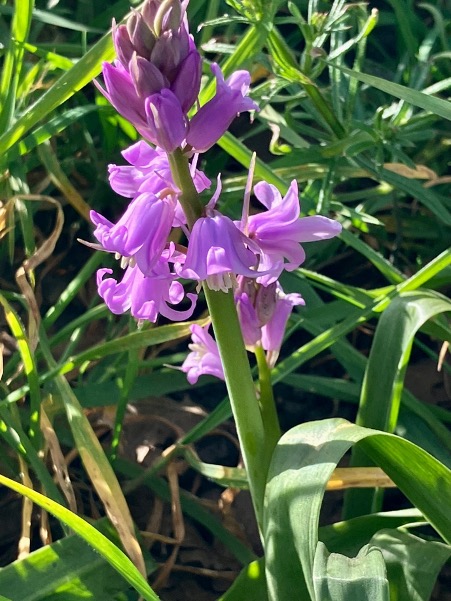
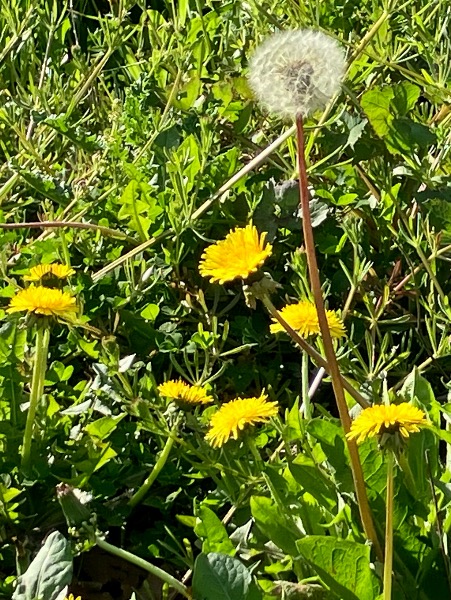
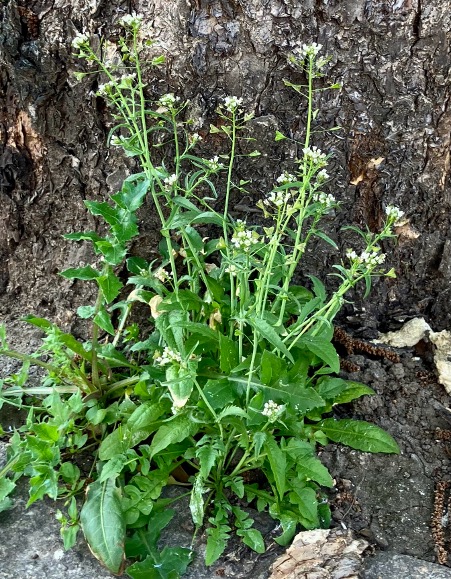
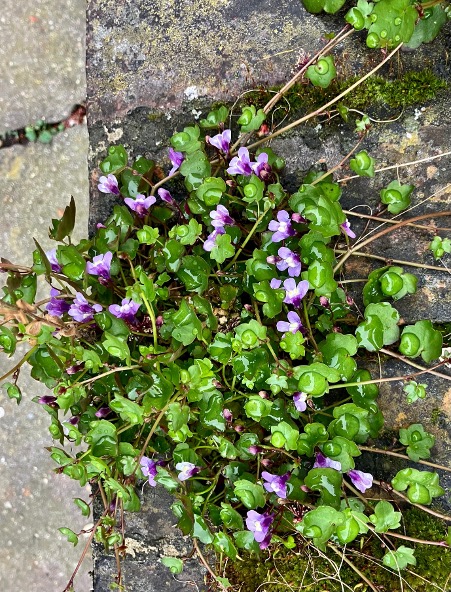
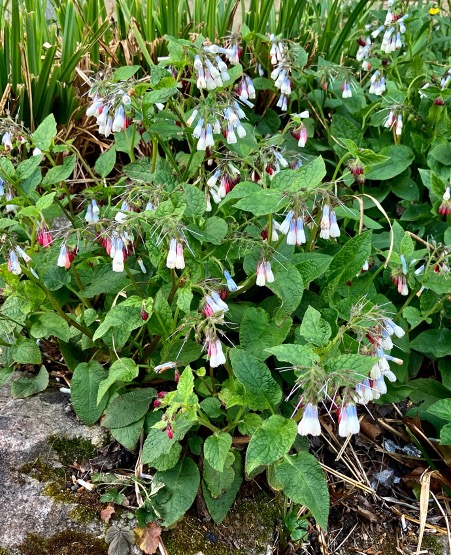
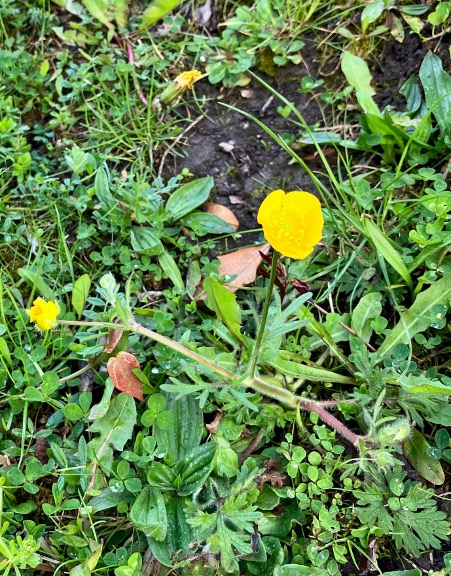
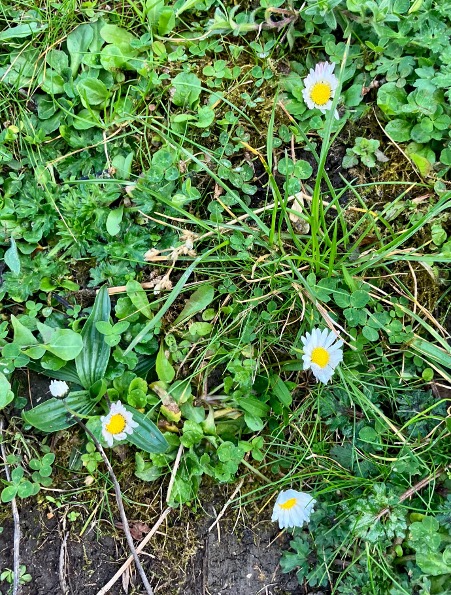
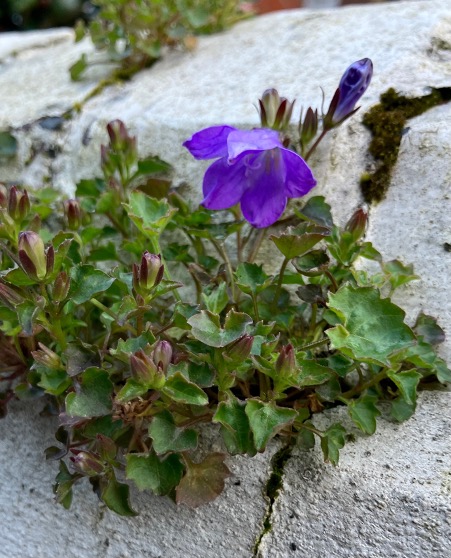
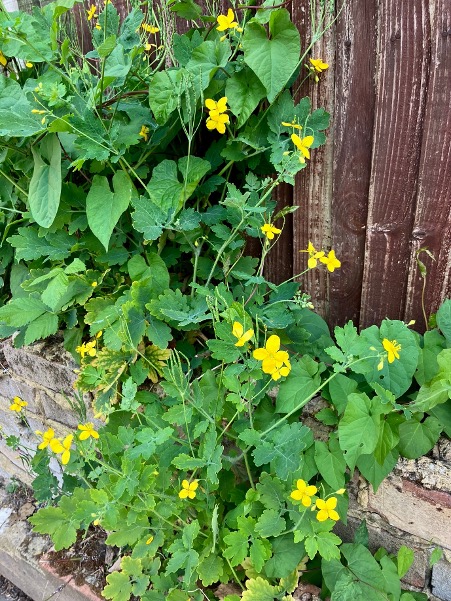
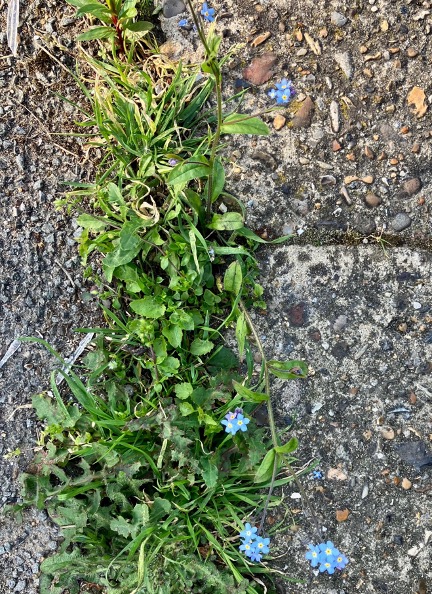
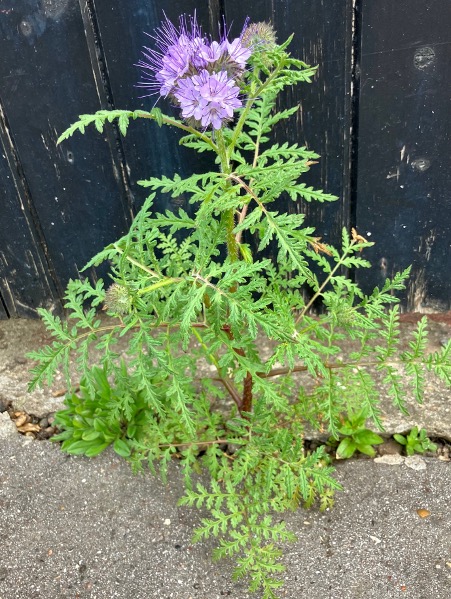
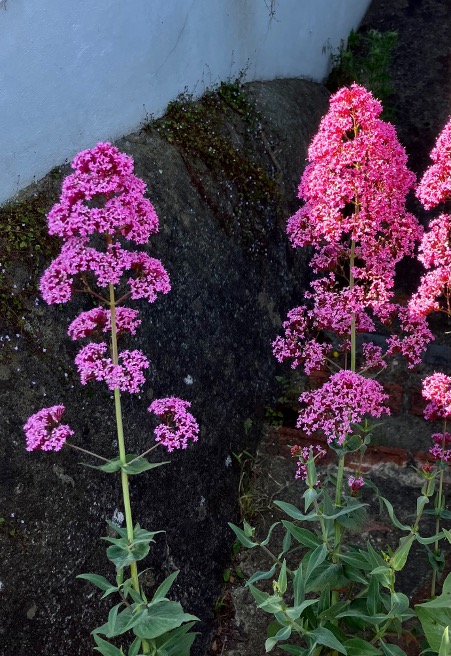
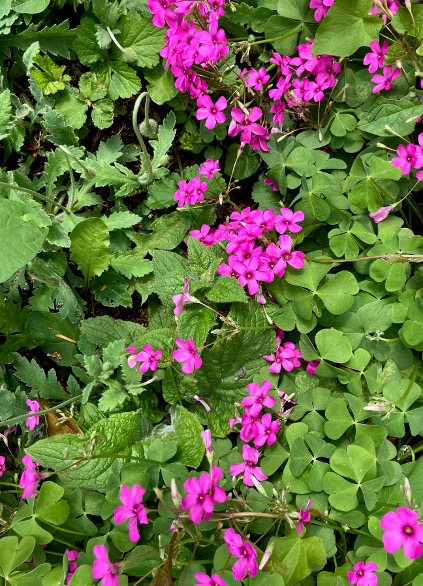
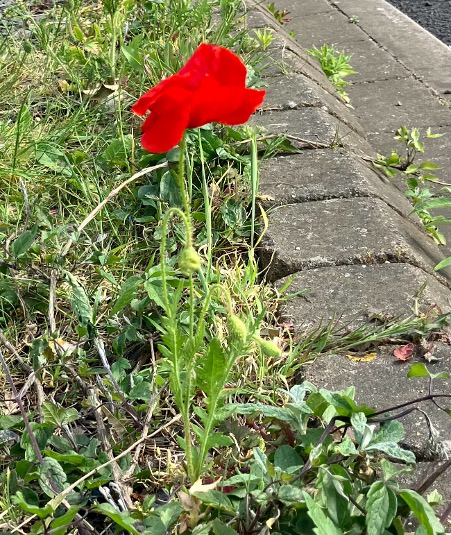
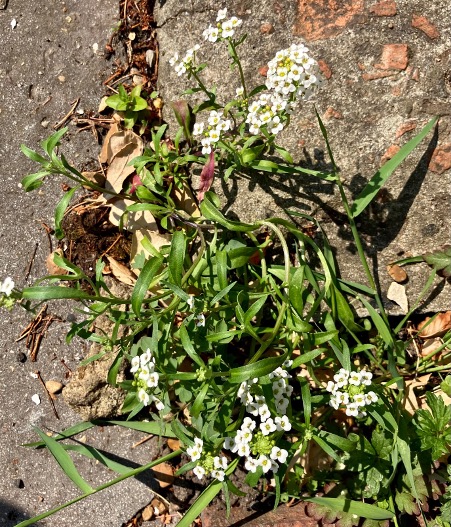
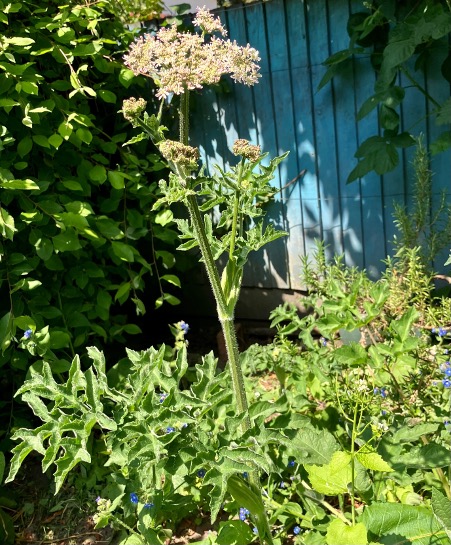
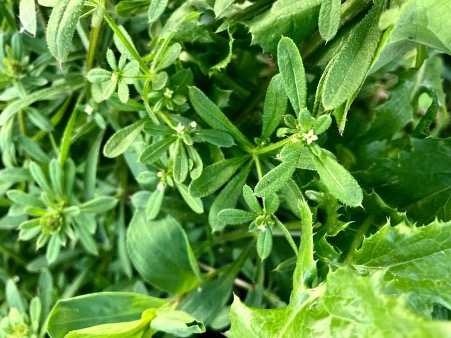
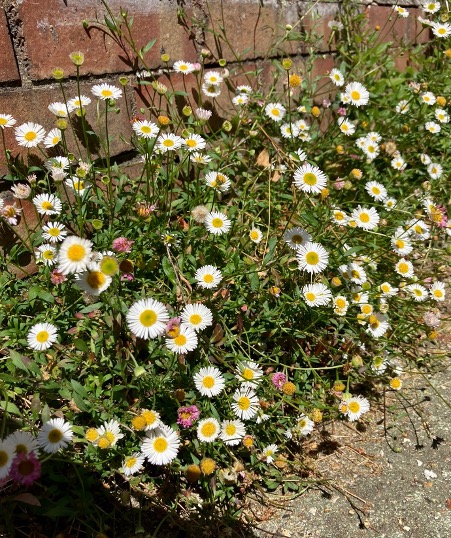
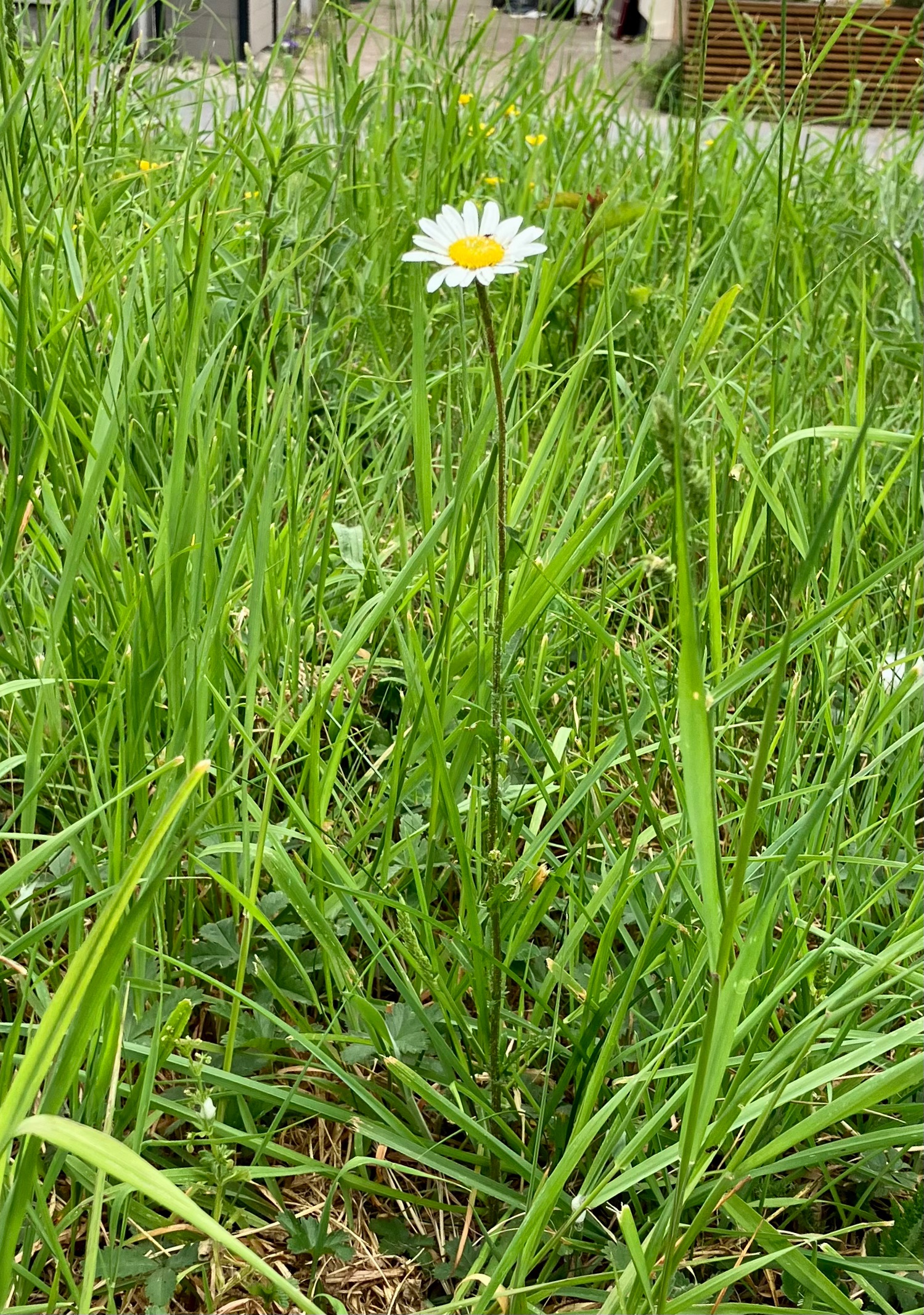
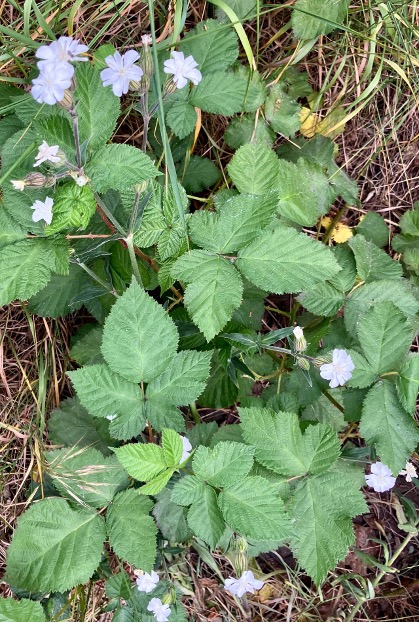
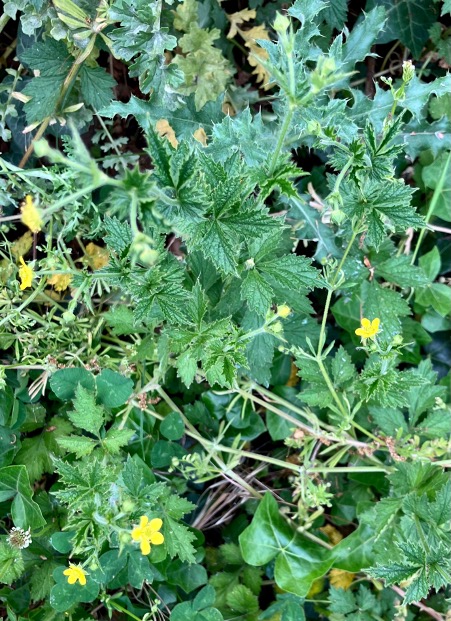
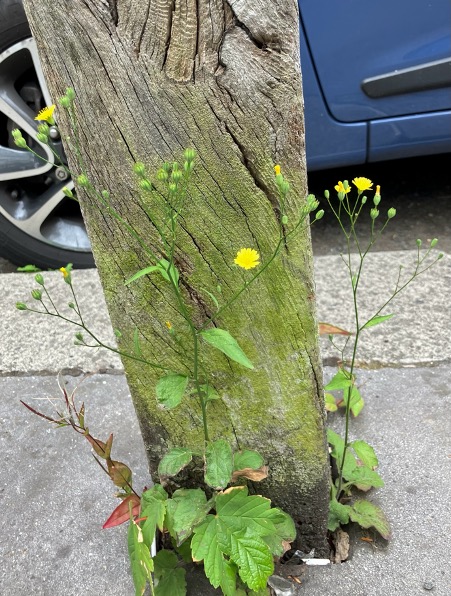
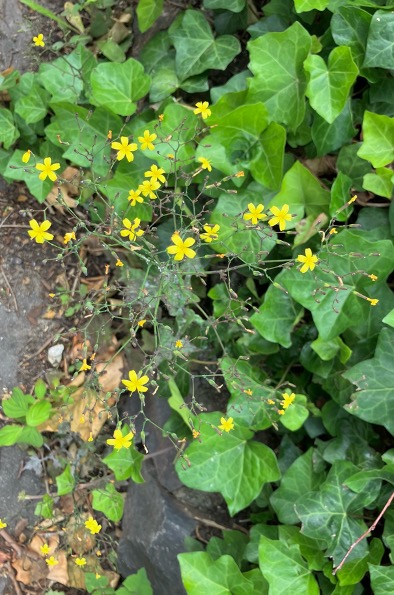
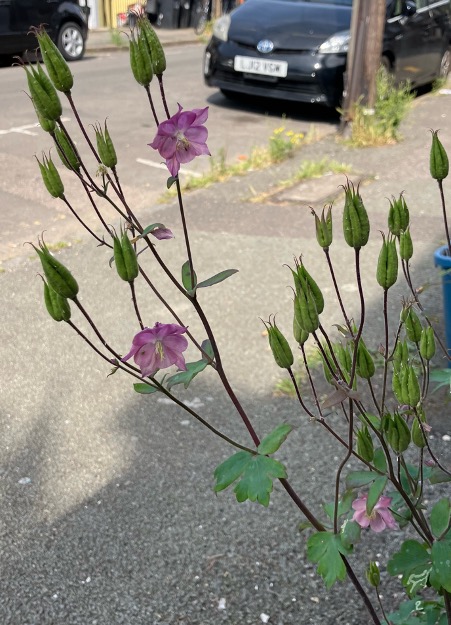
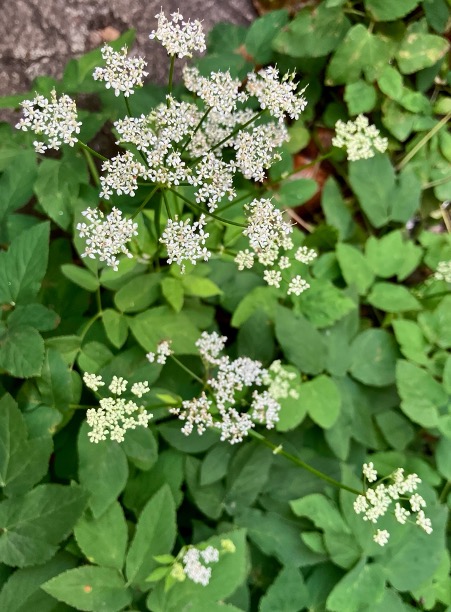
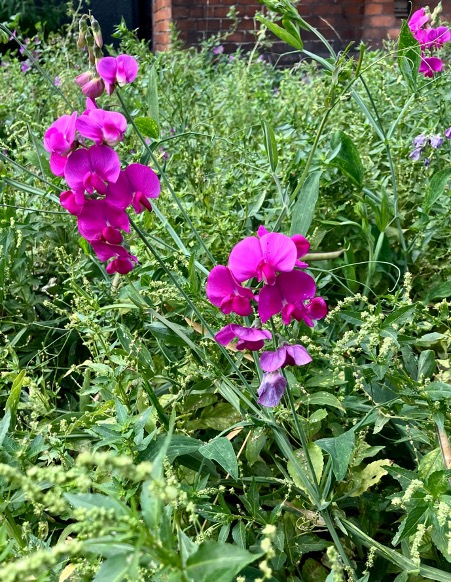
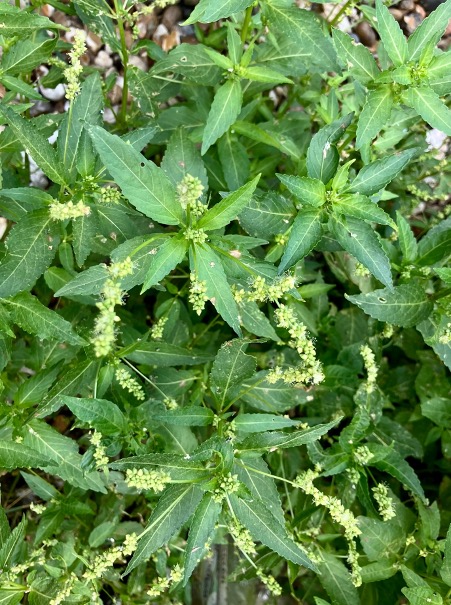
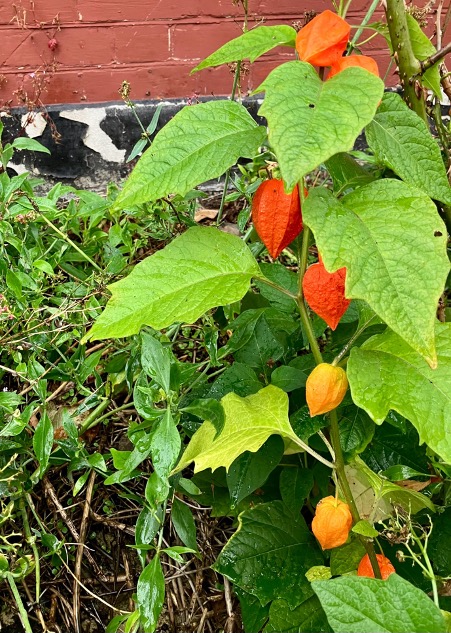
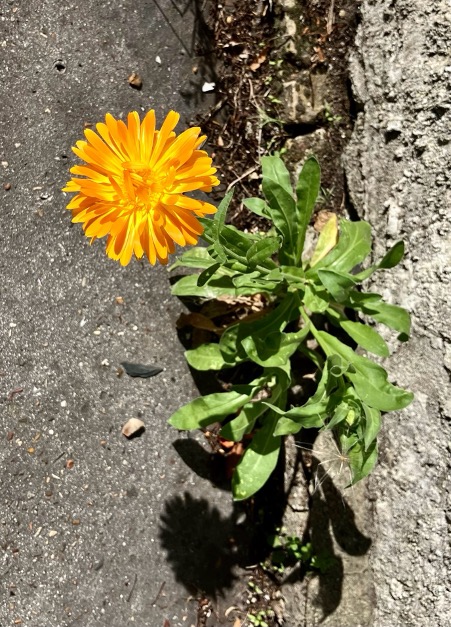
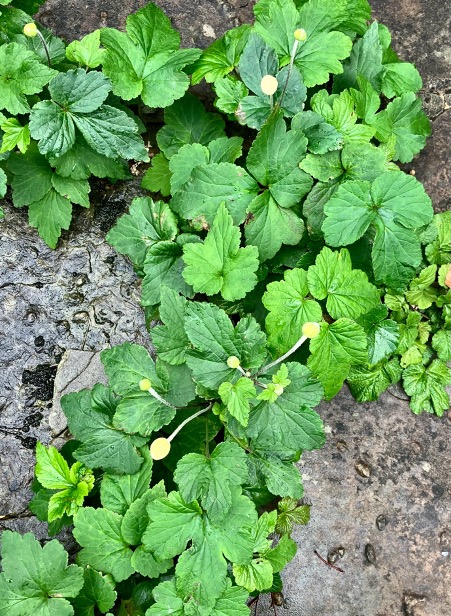
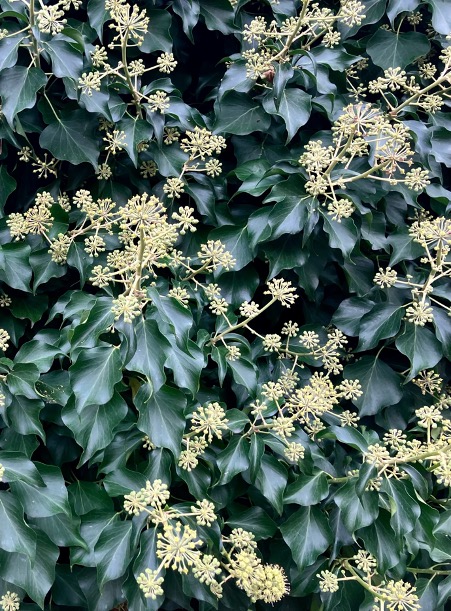
Given that the ECCO area has no public open space, it is home to a surprising variety of wild flowers. The photographs below were taken by Angela Vanegas, mostly in the raised beds along Addiscombe Road and the cracks in the pavements. Their species were identified by a Croydon botanist (who wishes to remain anonymous). The latter divided them into
- native plants: that survived the last Ice Age or arrived here by themselves after it ended c12,000 years ago
- archaeotypes: introduced by people 4100BC – 1500AD
- neotypes: introduced by people after 1500AD
Their photographs are organised by the month they were taken, though many of the species flower for much longer periods. Some of those classed as neophytes are probably the progeny of garden plants that have spread into the wild.
To find out more about the flowers below, follow the links beneath their photographs to the the Plant Atlas
April
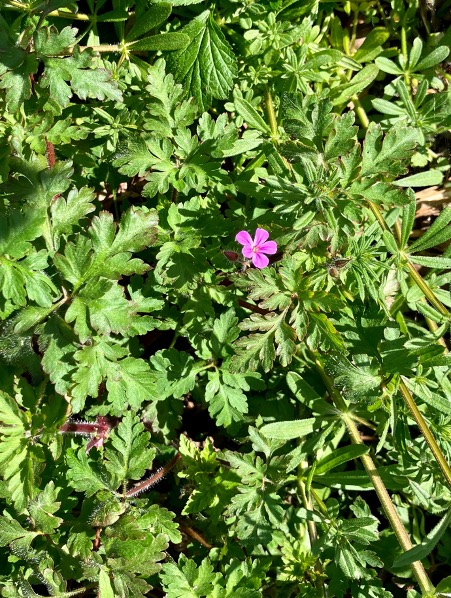
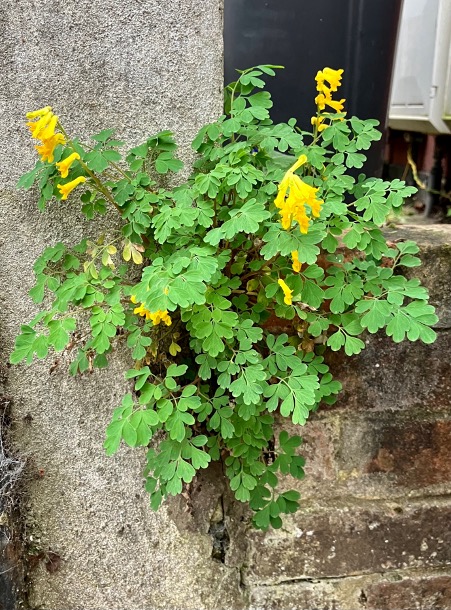
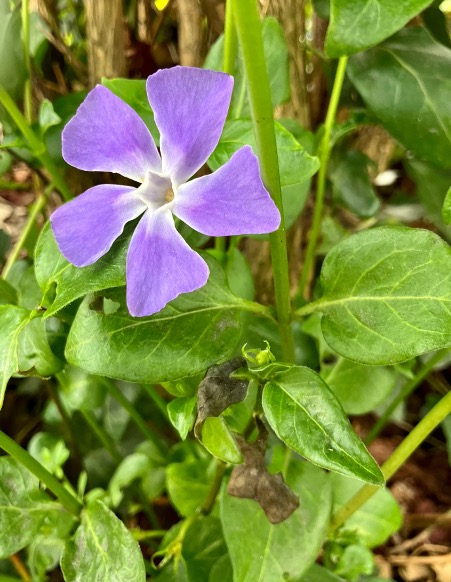
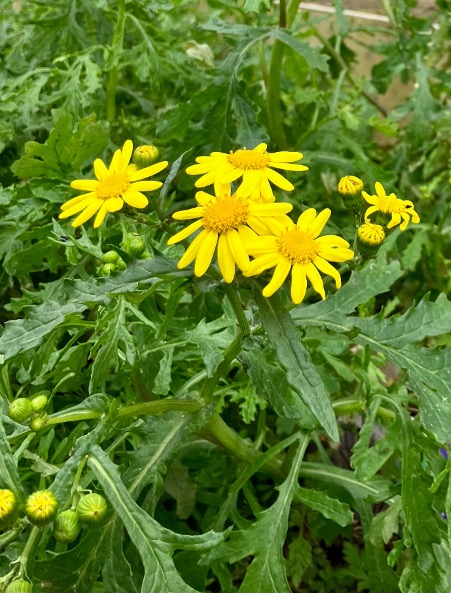
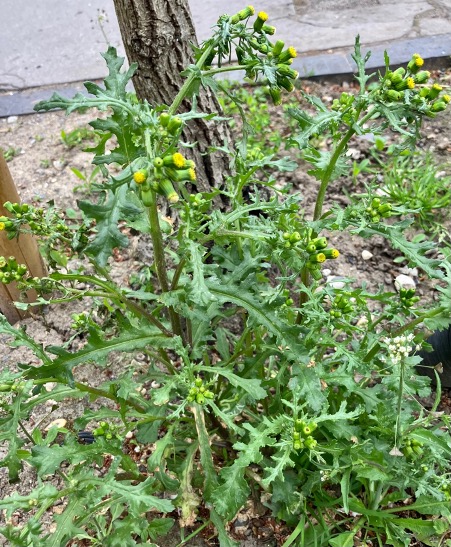
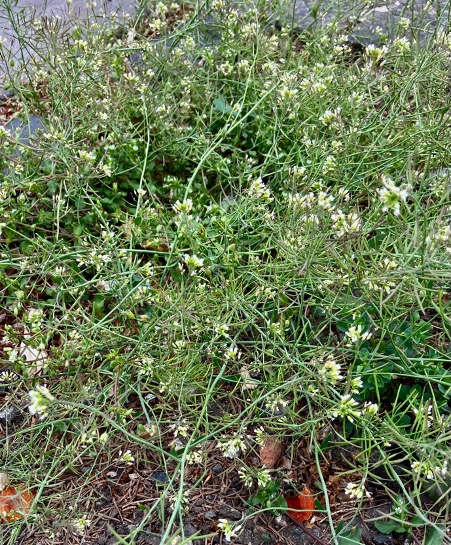
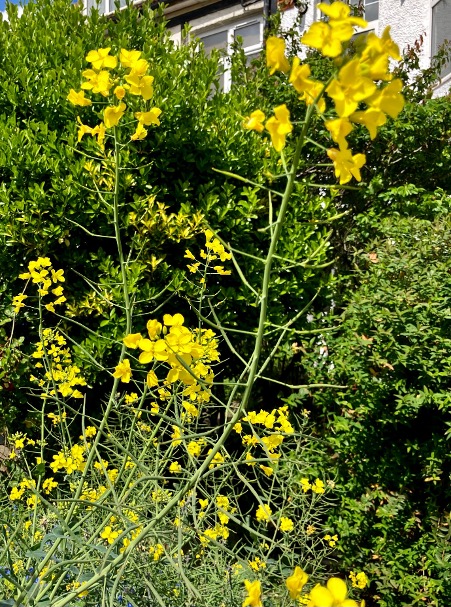
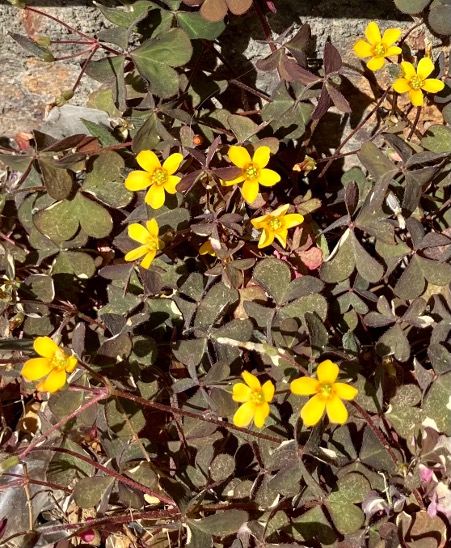
May
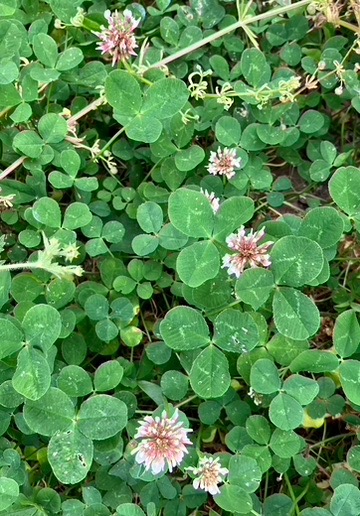
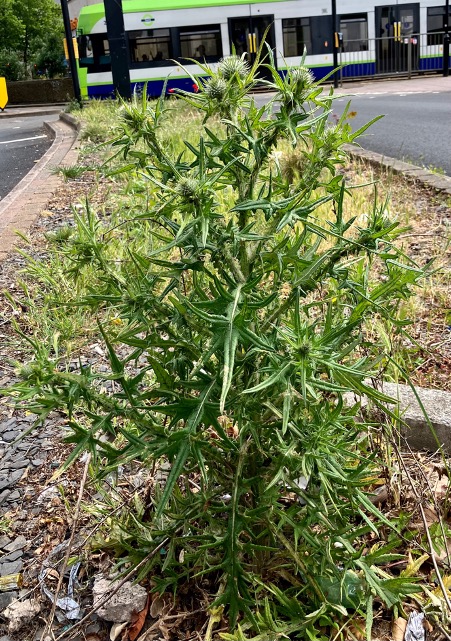
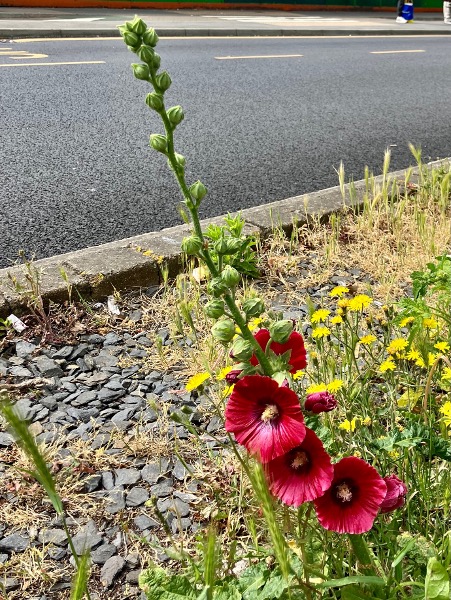
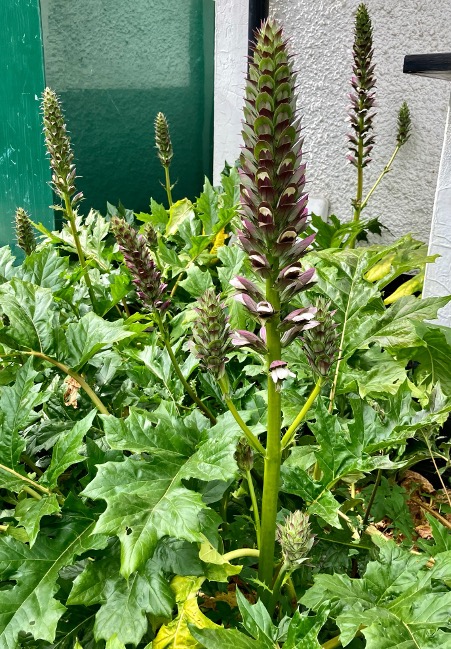
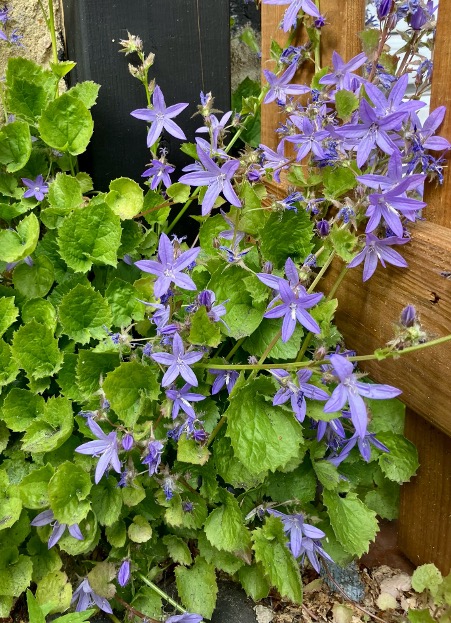
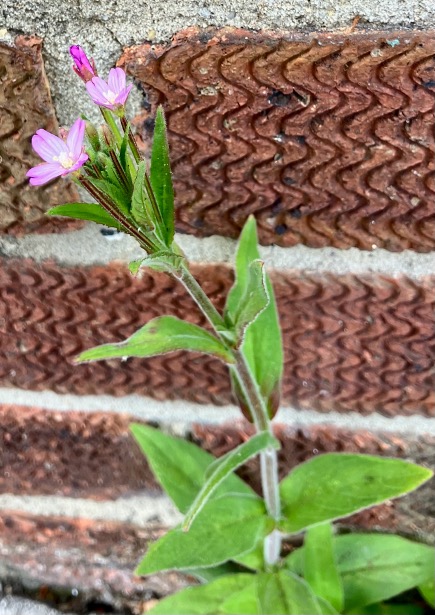
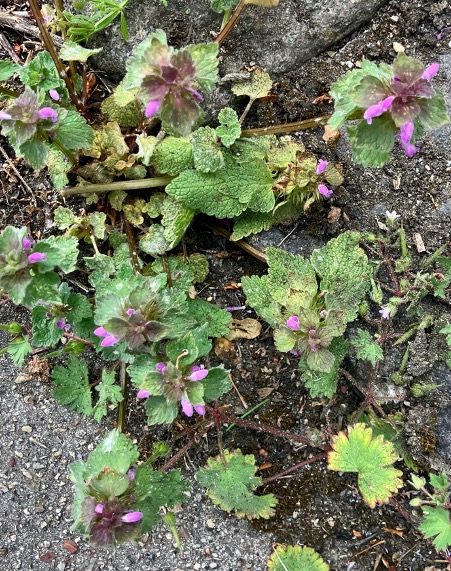
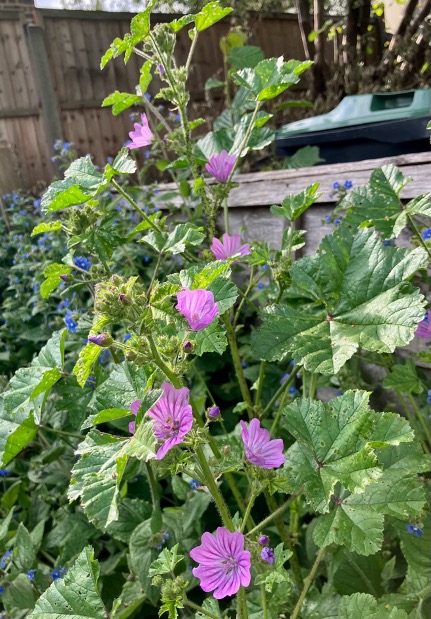
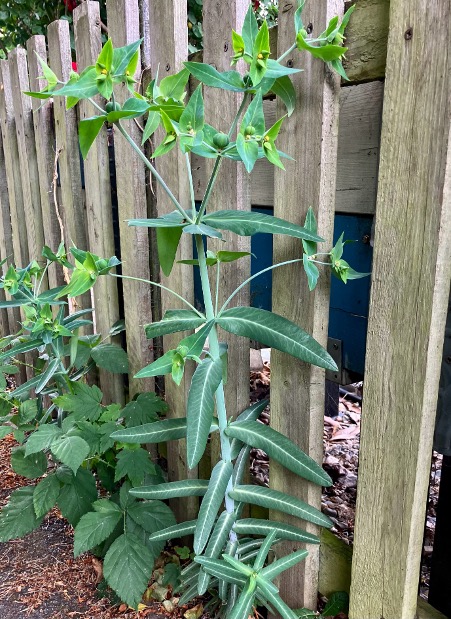
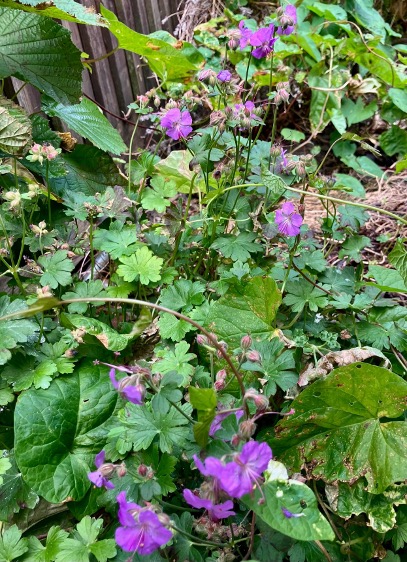
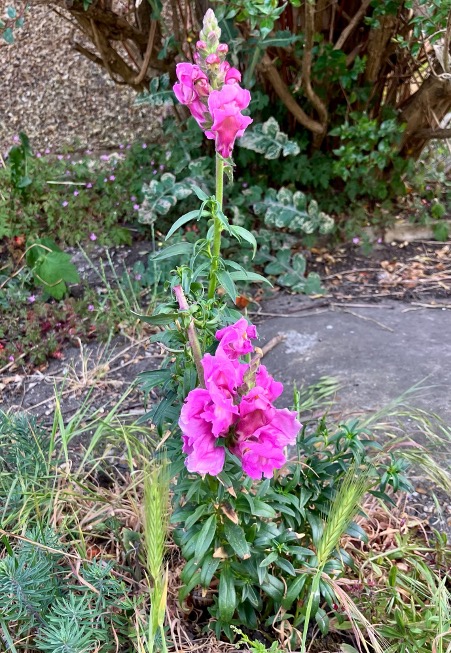
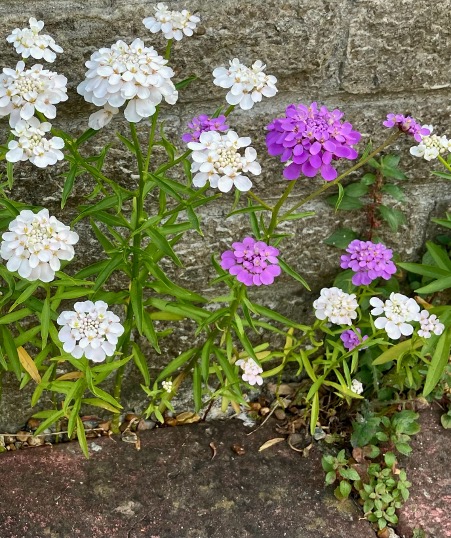
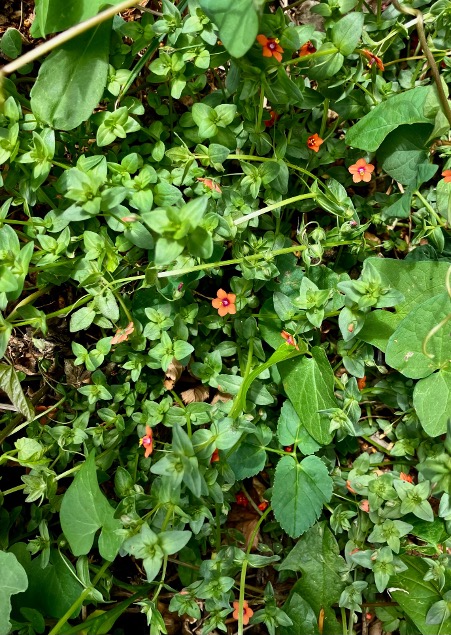
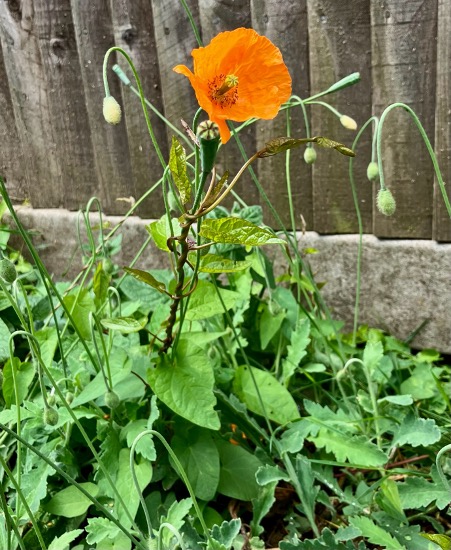
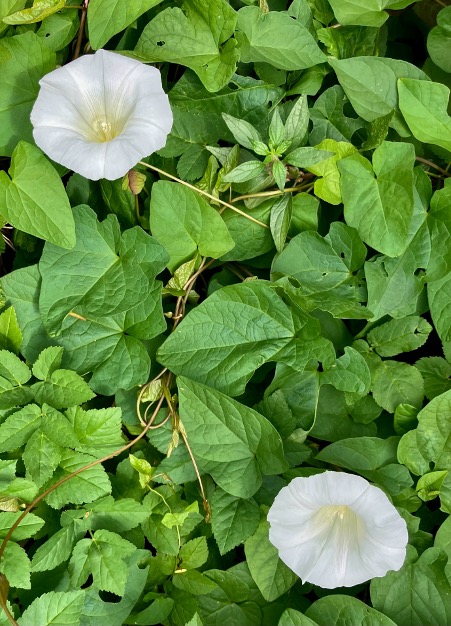
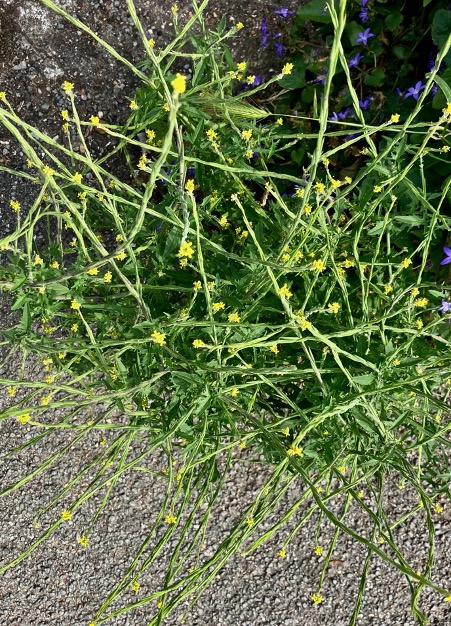
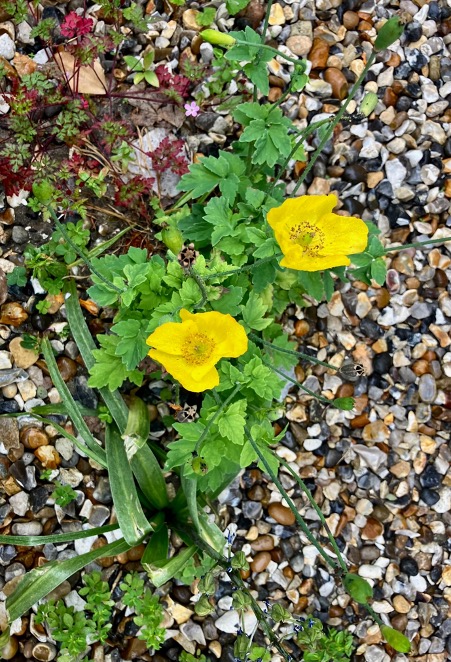
June
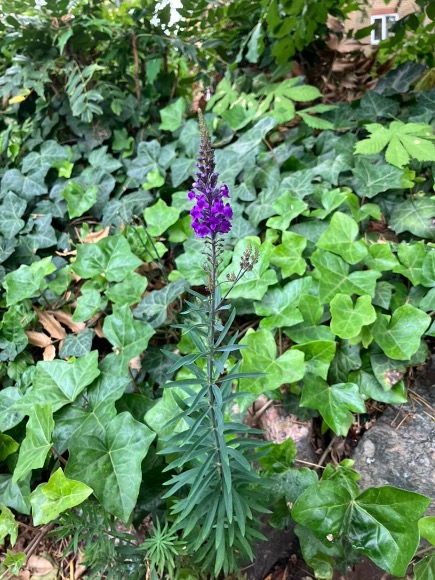
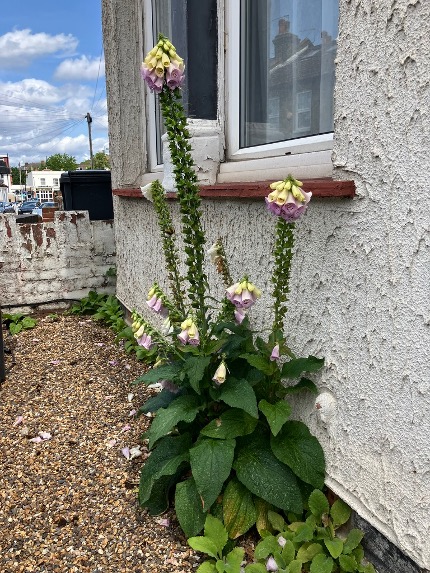
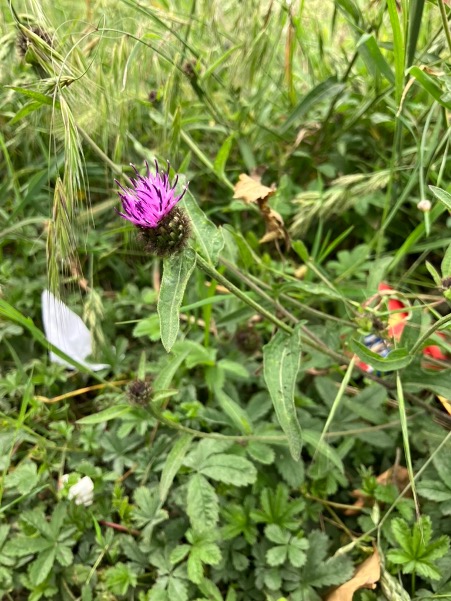
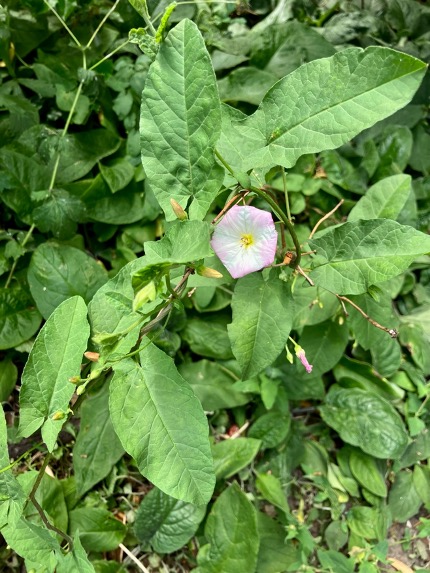
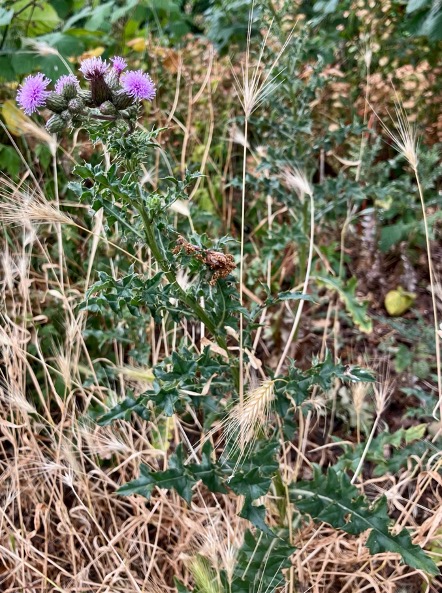
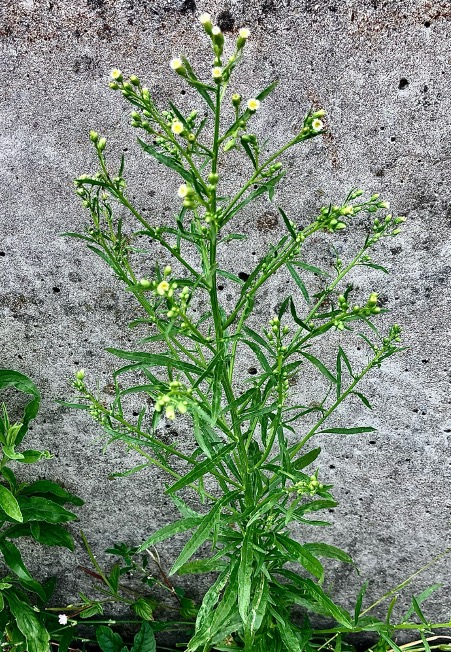
July
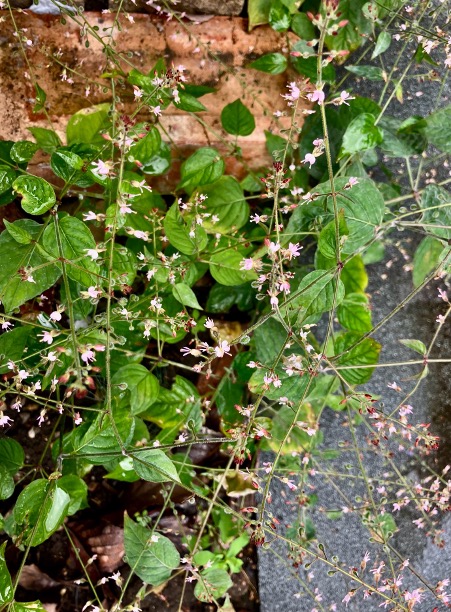
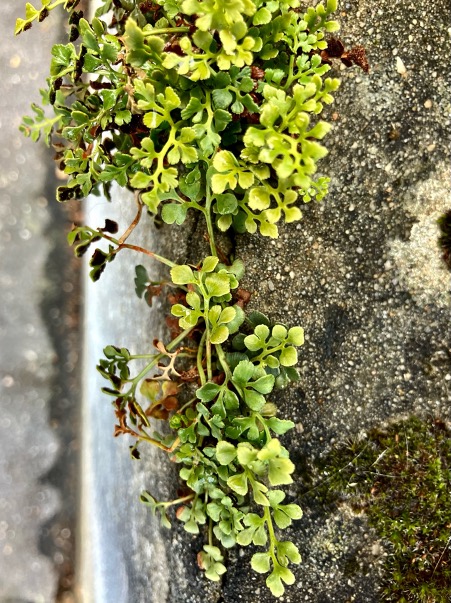
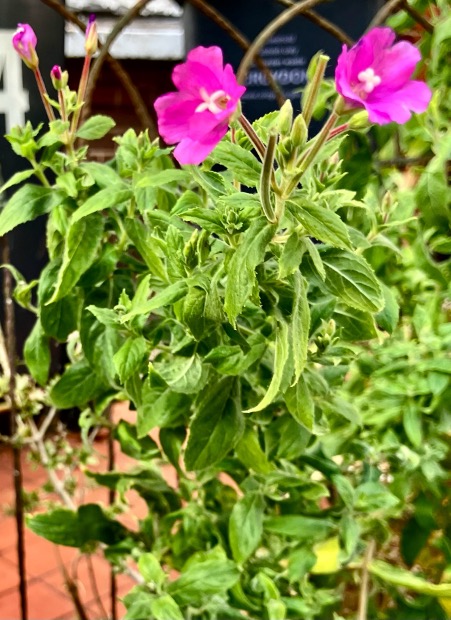
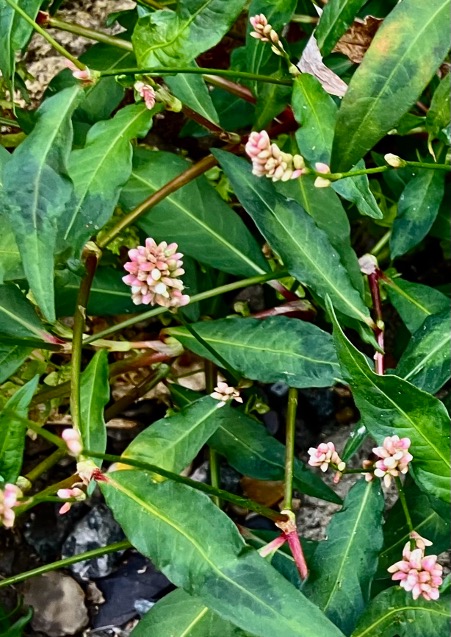
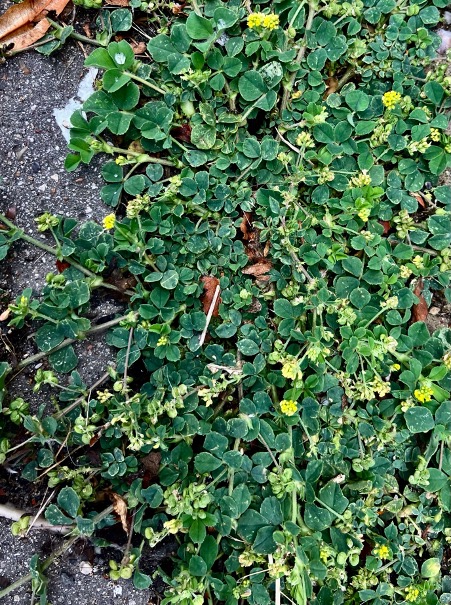
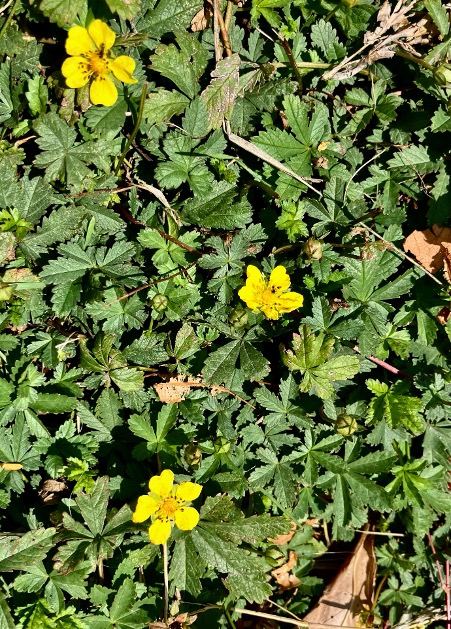
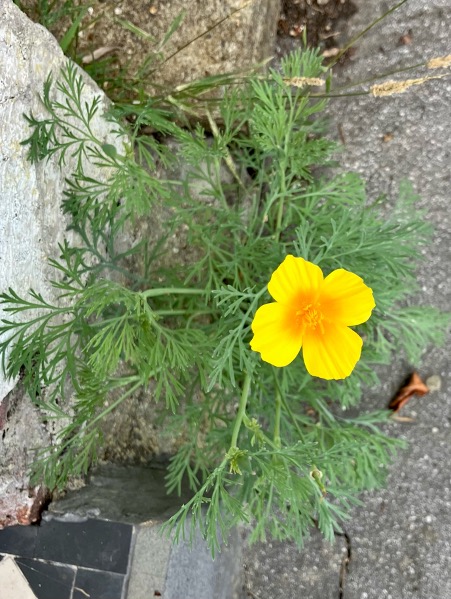
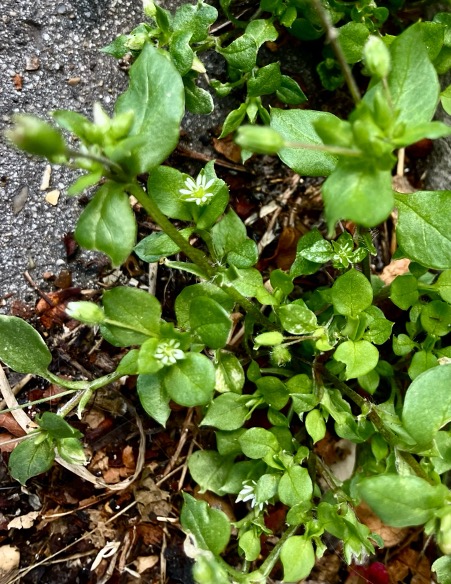
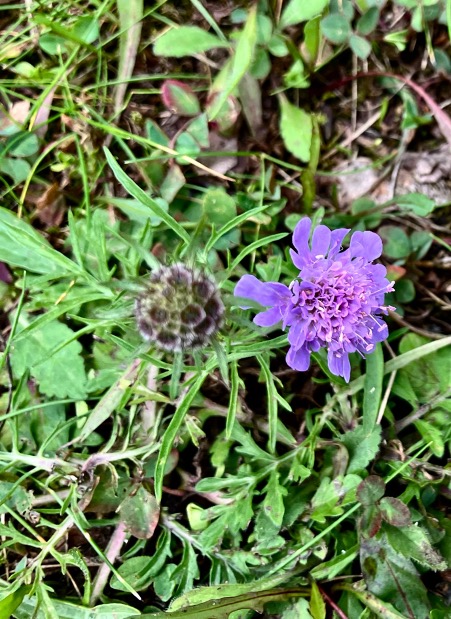
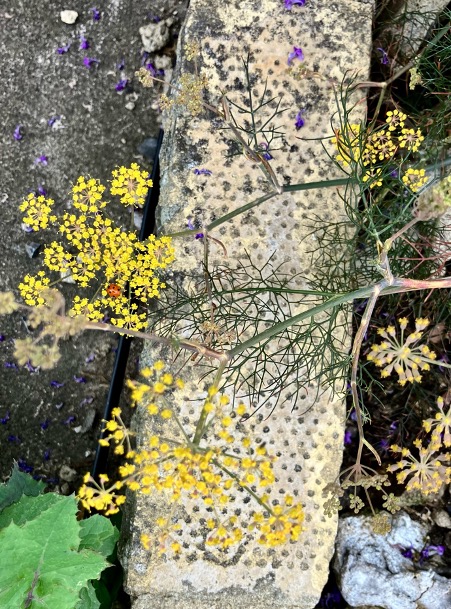
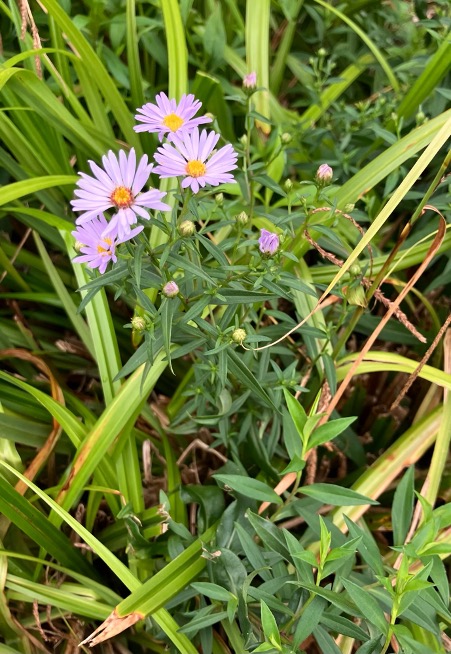
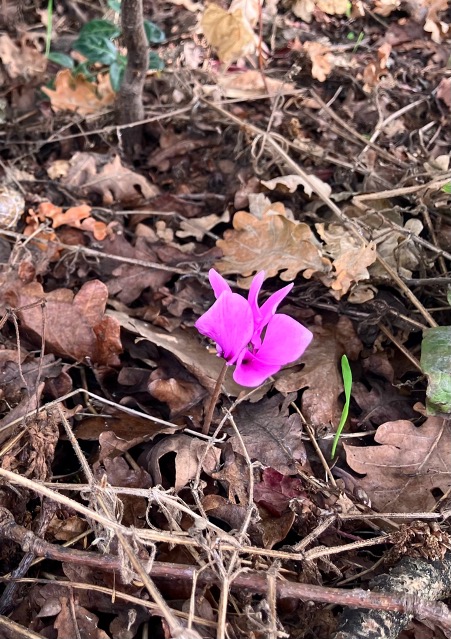
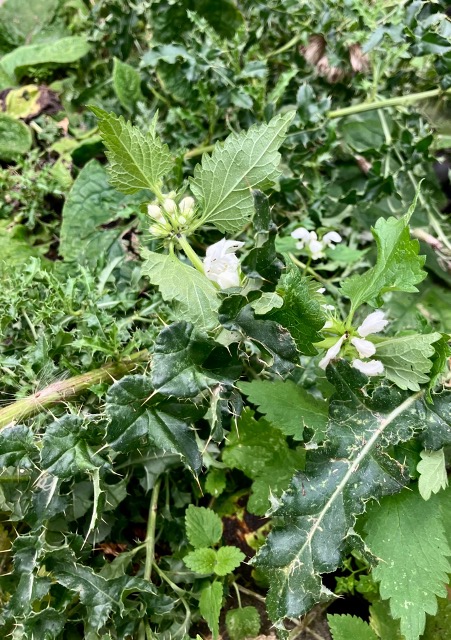
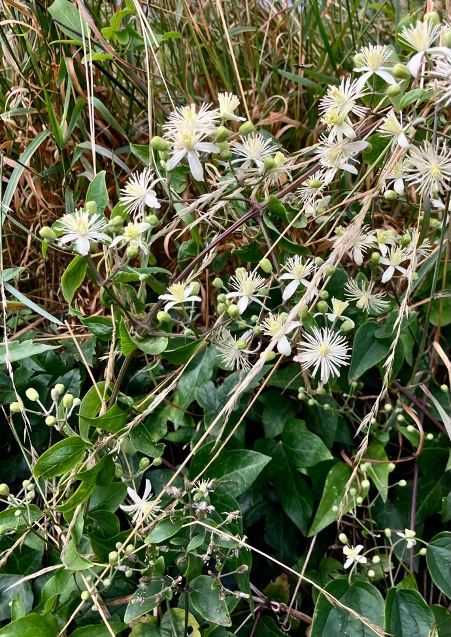
August (to be continued)
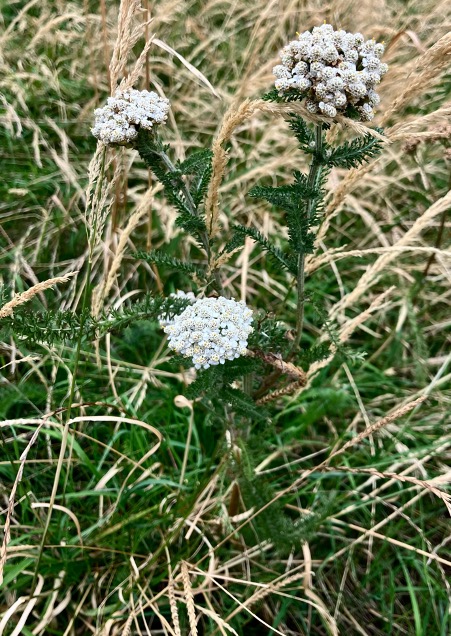
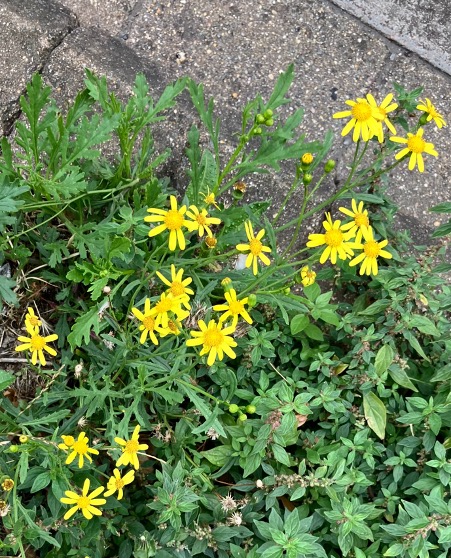
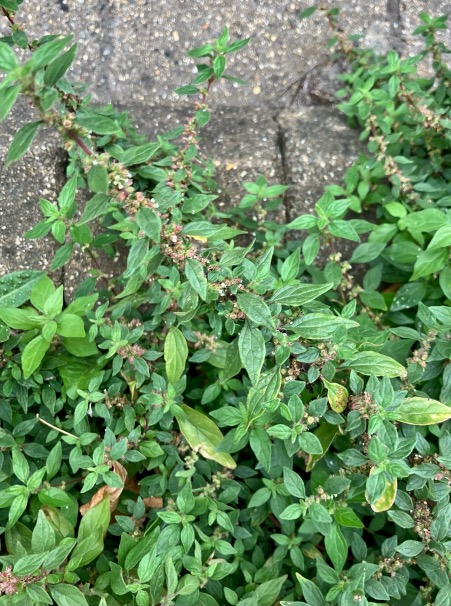
September (to be contd.)
 East Croydon Community Organisation